

Imagine walking into your home on a scorching summer afternoon, only to be greeted by a blast of cool, refreshing air. Or stepping out of a warm bed on a freezing winter morning into a cozy, heated living room. This is the promise of a high-quality mini split system. Whether you are adding climate control to a garage, a home office, a sunroom, or a newly finished basement, choosing the right unit can transform your comfort. This guide reviews nine of the best mini split systems available in 2026, helping you navigate the options and find the ideal match for your needs and budget.


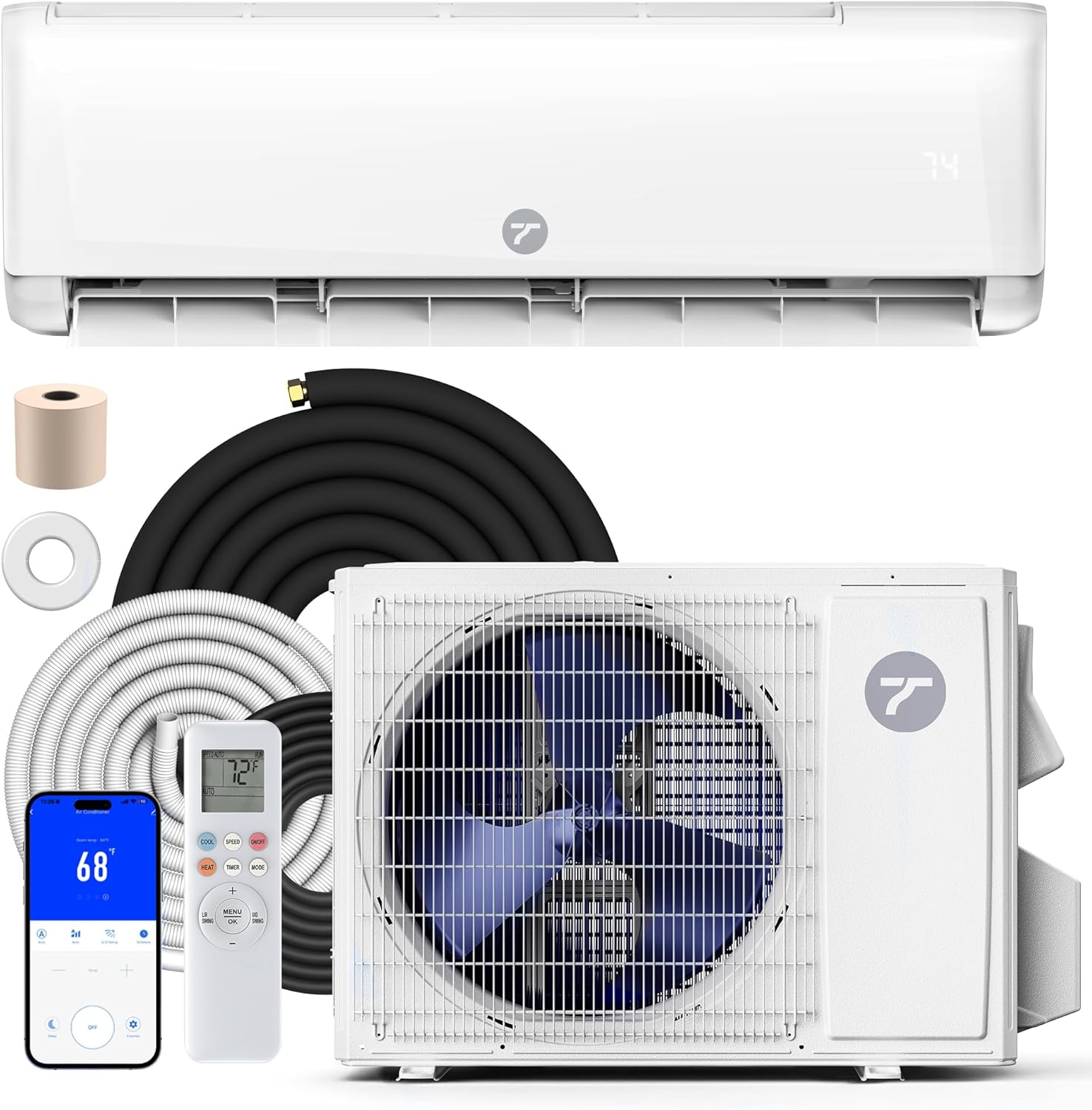


Buying Guide: What to Look for in a Mini Split System
Energy Efficiency (SEER2 Rating)
The SEER2 rating tells you how efficiently a mini split cools your space. A higher number means lower electricity bills and a smaller environmental footprint. Models like the Temprium unit boast an impressive 22 SEER2 rating, while many others offer 19 or 20 SEER2. For most homes, a rating of 19 or above provides excellent energy savings, especially if you plan to run the system frequently.
Cooling and Heating Capacity (BTU)
BTU, or British Thermal Unit, measures the system’s power. A 12,000 BTU unit is a standard choice for rooms up to 750 square feet, making it versatile for many applications. For smaller spaces like a bedroom or home office, a 9,000 BTU unit (like the Garvee) may be sufficient, while larger areas might need more. Matching the BTU to your room size ensures efficient operation and consistent comfort.
Smart Features and Control Options
Modern mini splits offer more than just a remote control. Many units now include Wi-Fi connectivity, allowing you to adjust temperatures, set schedules, and monitor energy use from your smartphone. Voice control compatibility with Alexa or Google Assistant adds another layer of convenience. Features like Turbo mode for rapid cooling, Sleep mode for quiet nighttime operation, and self-cleaning functions further enhance the user experience.
Installation and Warranty
Mini split systems require professional installation by a licensed HVAC technician. Most units come with a pre-charged refrigerant line set and an installation kit, but the labor cost is separate. A solid warranty provides peace of mind. Look for systems that offer at least a 5-year compressor warranty and a 7-year parts warranty, as seen with the Albott model. This protects your investment and ensures long-term reliability.
Final Thoughts
Choosing the right mini split system comes down to balancing efficiency, features, and your specific space. For those seeking top-tier energy savings and advanced smart control, the Temprium 12000 BTU Mini Split Air Conditioner stands out with its 22 SEER2 rating and Wi-Fi capability. If you are looking for a reliable, budget-friendly workhorse with solid performance and a strong warranty, the Mountman 12000 BTU Mini Split AC/Heating System is an excellent choice, backed by thousands of satisfied users. Both units deliver powerful, quiet comfort for your home.
Frequently Asked Questions
How much does it cost to install a mini split system?
Installation costs vary depending on your location and the complexity of the job. On average, professional installation for a single-zone mini split can range from $500 to $2,000. This does not include the price of the unit itself. It is always best to get quotes from multiple licensed HVAC contractors in your area.
Can a mini split heat a room in freezing weather?
Yes, many modern mini splits are designed to provide heat even in very cold conditions. Models like the Rellytech unit can operate down to -13°F, while others like the COSTWAY unit work down to -4°F. However, their heating capacity may decrease in extreme cold, so it is important to check the specifications for your climate.
Do I need a permit to install a mini split?
In most areas, yes, a permit is required for installing a mini split system. This is because it involves electrical work and refrigerant handling. A licensed HVAC technician will typically handle the permit process for you, ensuring the installation meets local building codes and safety standards.
How long do mini split systems last?
With proper installation and regular maintenance, a mini split system can last 15 to 20 years. Key factors include keeping the filters clean, ensuring the outdoor unit is clear of debris, and having the system serviced by a professional every few years. Investing in a quality unit now can provide decades of reliable comfort.


