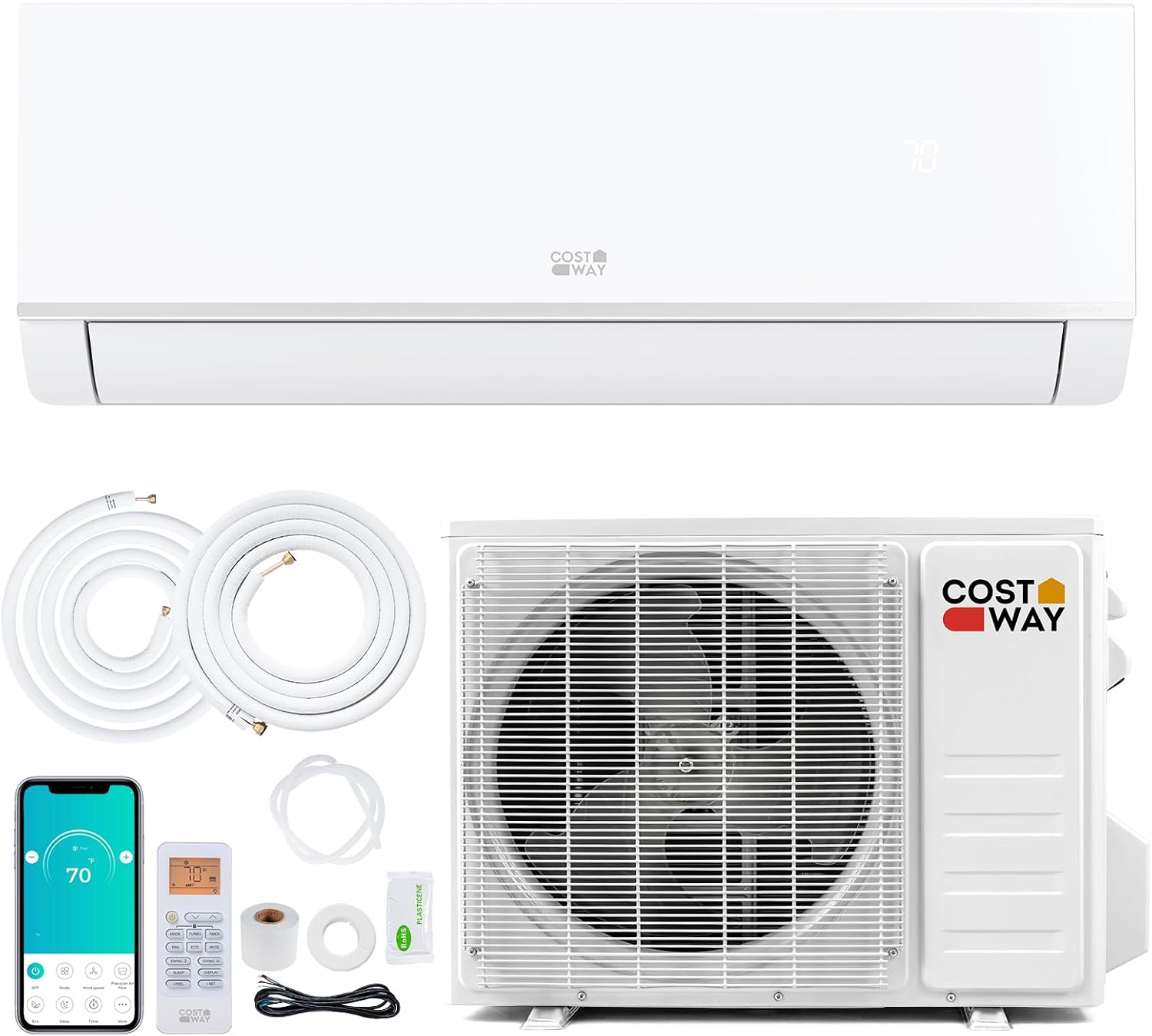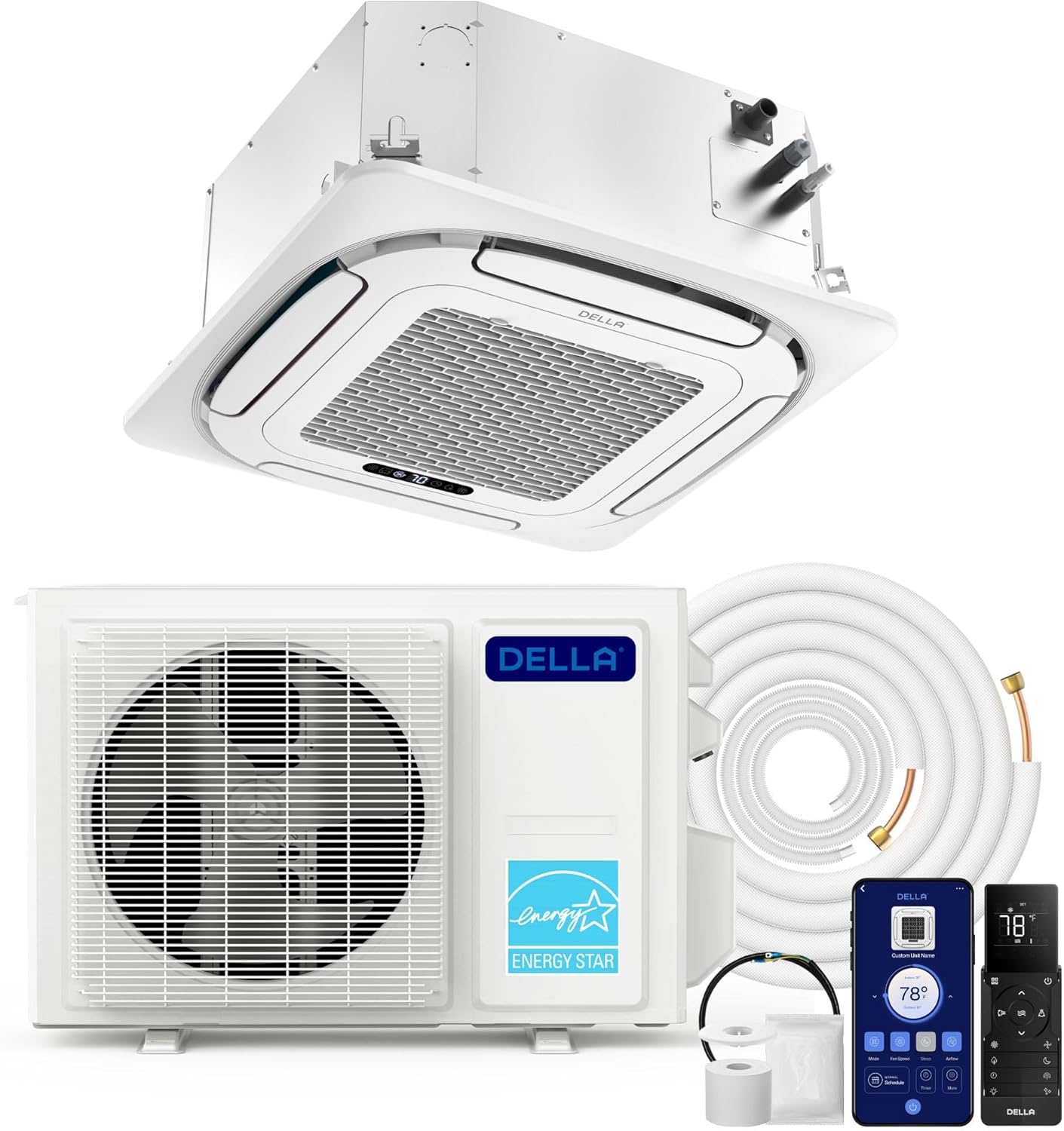

Imagine coming home to a perfectly cool living room in the summer and a cozy, warm bedroom in the winter, all without having to schedule a contractor visit. That’s the promise of the best DIY mini split kits for home use. These systems are designed for the handy homeowner who wants professional-grade comfort without the professional installation cost. In this guide, we’ll walk you through the top-rated kits, what to look for, and how to choose the right one for your space.
We’ve spent hours evaluating the market, comparing features, and reading user feedback to bring you a curated list of the most reliable and user-friendly options. Whether you need to cool a small home office or heat a large garage, we have a pick for you. Let’s dive into the world of ductless heating and cooling and find the perfect fit for your home.


Buying Guide: What to Consider in a DIY Mini Split Kit
Choosing the right mini split kit can feel overwhelming with so many specs and numbers. But focusing on a few key areas will make your decision much easier. Here are the most important factors to weigh before you make a purchase.
BTU Capacity and Room Size
The first and most critical step is determining the correct BTU (British Thermal Unit) rating for your space. A unit that’s too small will run constantly without reaching your desired temperature, while one that’s too large will short cycle and waste energy. As a general rule, you need about 25 BTUs per square foot of living space. For a 500-square-foot room, a 12,000 BTU unit like the Senville LETO Mini Split Air Conditioner is a popular choice, while larger areas up to 800 square feet will benefit from an 18,000 BTU system like the MRCOOL DIY Select 18000 BTU Mini Split AC/Heating.
Consider your home’s layout and insulation. A well-insulated, shaded room will require less cooling power than a sun-drenched space with poor insulation. For more detailed guidance on sizing, check out our guide on best DIY mini split systems for easy installation.
Efficiency Ratings: SEER2 and HSPF2
Efficiency is where you’ll save money over the long run. The SEER2 rating measures cooling efficiency, while HSPF2 measures heating efficiency. Higher numbers mean lower energy bills. Look for units with a SEER2 rating of at least 17 for good performance. The MrCool DIY Select Mini Split w/Line Set & 1 YR boasts an impressive SEER2 rating of up to 17.5, making it an excellent choice for energy-conscious homeowners.
These ratings are not just about saving money; they also indicate the quality of the components. Inverter compressors, which adjust their speed to maintain a constant temperature, are a hallmark of high-efficiency units. They are quieter and more durable than traditional compressors, providing a more comfortable and reliable experience.
Installation Complexity and Line Set
The core appeal of a DIY kit is the simplified installation. The biggest factor here is the line set, which carries refrigerant between the indoor and outdoor units. True DIY kits come with a pre-charged line set and quick-connect fittings, eliminating the need for a vacuum pump or specialized tools. This is a huge advantage for homeowners. The Albott Easy DIY Series 12,000 BTU 115V Mini Split even comes pre-wired on the indoor side to save you time.
Another aspect to consider is how you’ll route the line set. For a clean finish, you’ll likely want a line set cover. The Mini Split Line Set Cover 3″ 10Ft from SMOQIO is an affordable and easy-to-install option that protects your pipes and keeps your home looking tidy. Remember, while these kits are DIY-friendly, they still require careful planning and basic handyman skills.
Final Thoughts
Choosing the best DIY mini split kit for home use comes down to your specific needs, room size, and budget. For those with larger spaces who want top-tier efficiency and whisper-quiet operation, the MRCOOL DIY Select 18000 BTU Mini Split AC/Heating is a standout performer that won’t disappoint. If you’re looking for a more budget-friendly solution for a smaller room or office, the Albott Easy DIY Series 12,000 BTU 115V Mini Split offers incredible value without compromising on essential features, making it an ideal entry point into the world of ductless comfort. No matter which you choose, the convenience and efficiency of a DIY mini split are sure to transform your home’s climate control.
Frequently Asked Questions
Can I really install a mini split myself?
Yes, that’s the entire point of a DIY mini split kit. These systems are pre-charged with refrigerant and come with quick-connect line sets, so you don’t need special licenses or tools. However, you should be comfortable with basic electrical work and mounting heavy units. If you’re not, it’s always best to consult a professional.
What does a line set cover do?
A line set cover is a protective conduit that houses the refrigerant lines, power cable, and drain line connecting your indoor and outdoor units. It not only protects these vital components from weather and pests but also gives your installation a clean, professional look. It’s an essential accessory for any mini split installation.
What size mini split do I need for a 2-car garage?
A typical 2-car garage is around 400 to 500 square feet. For that space, a 12,000 BTU unit is usually sufficient, but factors like ceiling height and insulation play a big role. If your garage is poorly insulated, you might want to step up to an 18,000 BTU model to ensure it can keep up with extreme temperatures. For more insights, see our article on Best DIY Mini Split Heating and Cooling Systems for 2026.
Are all DIY mini splits heat pumps?
Most DIY mini split kits on the market today are heat pumps, meaning they provide both cooling and heating. This makes them a year-round solution for home comfort. The Senville LETO and MrCool DIY Select models are excellent examples of efficient heat pumps that can handle both seasons.