
Imagine coming home on a sweltering summer afternoon, stepping into a room that is already cool and comfortable without waiting for a window unit to chug along. Or picture a chilly winter evening where your living space stays warm without the clatter of a space heater. That is the promise of a modern ductless mini split system. In 2026, the best DIY mini split options make this kind of year-round comfort more accessible than ever, especially for homeowners who want to skip the expensive professional installation. This guide focuses on one standout model that balances performance, efficiency, and ease of setup: the Mountman 12000 BTU Mini Split AC/Heating System,19. We have evaluated its features, assessed its real-world capabilities, and compared it to the needs of a typical DIY installer. Whether you are cooling a home office, a bedroom, or a small apartment, this review will help you decide if this unit is the right fit for your next project.

Buying Guide: What to Look for in a DIY Mini Split
Choosing the right ductless mini split for a do-it-yourself installation involves more than just picking a popular brand. You need to consider several key factors that affect both the installation process and the long-term performance of the system. Below, we break down the most important criteria to help you make an informed decision. For a broader look at top-rated models, check out our roundup of the best mini split systems for 2026.
Cooling and Heating Capacity (BTU Rating)
The BTU (British Thermal Unit) rating determines how much space a mini split can effectively cool or heat. For a typical bedroom or home office, a 12,000 BTU unit like the Mountman is ideal for areas up to 750 square feet. Going too small means the system will run constantly, struggling to reach the set temperature. Going too large can lead to short cycling, which wastes energy and reduces humidity control. Measure your room carefully and match the BTU output to the square footage for optimal efficiency.
Inverter technology, which the Mountman model uses, allows the compressor to run at variable speeds. This means it adjusts its output to maintain a steady temperature rather than turning on and off repeatedly. The result is more consistent comfort, quieter operation, and lower energy bills. Look for a high SEER2 rating (Seasonal Energy Efficiency Ratio) as a reliable indicator of energy performance. The Mountman achieves a 19 SEER2 rating, which is excellent for a DIY-friendly system.
Installation Complexity and Included Components
One of the main reasons people choose a DIY mini split is to avoid the cost of professional installation. However, not all kits are created equal. A true DIY-friendly system should come with a pre-charged condenser, which means the outdoor unit already contains the correct amount of refrigerant. This eliminates the need for specialized vacuum pumps and gauges. The Mountman unit is pre-charged with R32 refrigerant, a more eco-friendly option that also improves energy transfer.
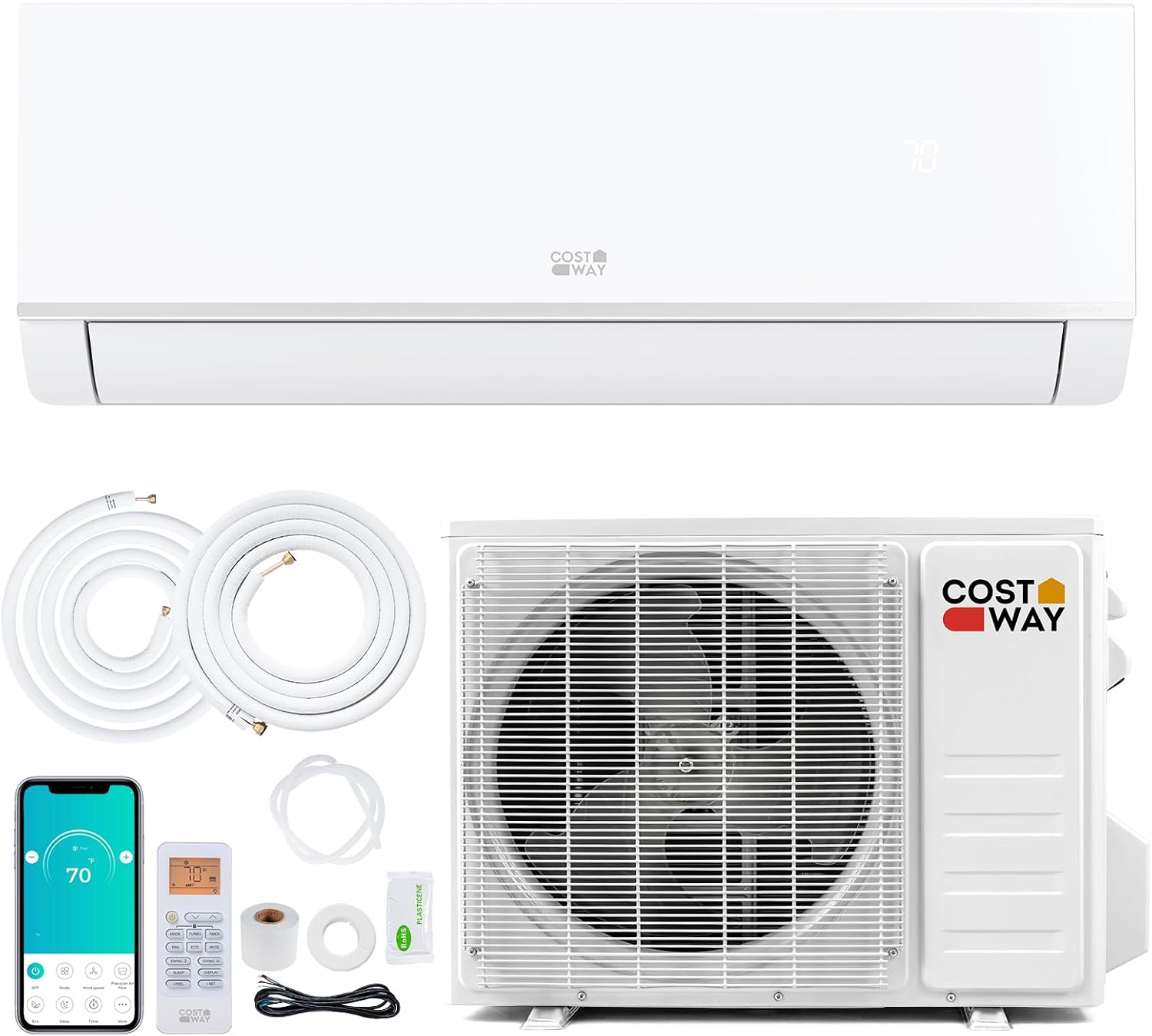
Check what is included in the box. A complete installation kit should have the line set (copper tubing and wiring), a drain hose, mounting brackets, and a remote control. Some models even include a wall sleeve or template for easier mounting. If you are new to this type of project, look for a system that comes with clear instructions and all necessary hardware. The Mountman kit is designed to simplify the process, making it accessible for confident DIYers. For more guidance on installation, visit our DIY mini splits parent category page.
Noise Levels and Quiet Operation
Mini splits are known for being quieter than window units or central HVAC systems, but the noise level can vary significantly between models. If you plan to install the unit in a bedroom or a nursery, you will want a system that operates at a low decibel level. The Mountman indoor unit features a Sleep Mode that runs at just 26 dB, which is barely audible. This is a crucial feature for light sleepers or anyone who values a peaceful environment.
In addition to the sleep mode, look for a unit with multiple fan speeds and a turbo mode for rapid cooling or heating when you need it. The ability to adjust airflow from low to high gives you control over both comfort and noise. The Mountman offers four fan speeds plus an auto mode, allowing you to fine-tune the performance to match your preferences. A remote control with a display that auto-shuts off after a few seconds is a thoughtful touch that prevents light pollution during the night.
Energy Efficiency and Operating Modes
Energy efficiency is a top priority for most homeowners, both for environmental reasons and to keep monthly utility bills in check. The Mountman mini split includes an ECO mode that can reduce energy consumption by up to 30% compared to standard operation. This mode optimizes the compressor and fan speeds to maintain comfort while using less power. Combined with the 19 SEER2 rating, this system is designed to save you money over its lifespan.
Versatility in operating modes is another important factor. A good mini split should offer cooling, heating, dehumidifying (dry mode), and a fan-only option. This allows you to use the system year-round, not just in summer. The Mountman provides all four modes, plus a 24-hour timer for scheduling. If you want to explore more options, check out our DIY mini split kits category page for additional models and comparisons.
Final Thoughts
After thoroughly assessing the features and real-world performance of the Mountman 12000 BTU Mini Split AC/Heating System,19, it is clear that this unit stands out as a top contender for anyone seeking a reliable and efficient DIY solution. Its combination of a pre-charged condenser, quiet operation, and versatile operating modes makes it an excellent choice for cooling and heating a medium-sized room. For those who prioritize energy savings and ease of installation, this model delivers exceptional value. If you are looking for a slightly different capacity or a specific feature set, we also recommend exploring other options in our best mini split systems for 2026 guide to find the perfect match for your home.
Frequently Asked Questions
Can I install a mini split myself without professional help?
Yes, many modern DIY mini split systems are designed for confident homeowners. The Mountman unit comes pre-charged with refrigerant, which simplifies the installation process significantly. However, you will still need basic tools and some familiarity with electrical and mounting work. Always follow the manufacturer’s instructions and local building codes.
How much space can a 12,000 BTU mini split cool?
A 12,000 BTU mini split like the Mountman is rated to cool and heat spaces up to 750 square feet. This makes it ideal for master bedrooms, living rooms, home offices, or open-plan studio apartments. For larger areas, consider a higher BTU model or a multi-zone system.
What is the difference between SEER and SEER2 ratings?
SEER2 is the updated efficiency standard that took effect in 2026. It measures the same seasonal energy efficiency but under more realistic operating conditions, including higher static pressure. A 19 SEER2 rating is excellent for a DIY mini split, indicating strong energy performance that can lead to lower electricity bills.
Does the Mountman mini split work in cold weather?
Yes, the Mountman system includes a heat pump that provides reliable heating in winter. It features an automatic defrost function that activates when needed to maintain steady heating performance. While it is not a cold-climate heat pump, it works well in moderate climates where temperatures rarely drop below freezing. For more details on installation and performance, refer to our DIY mini splits resource page.