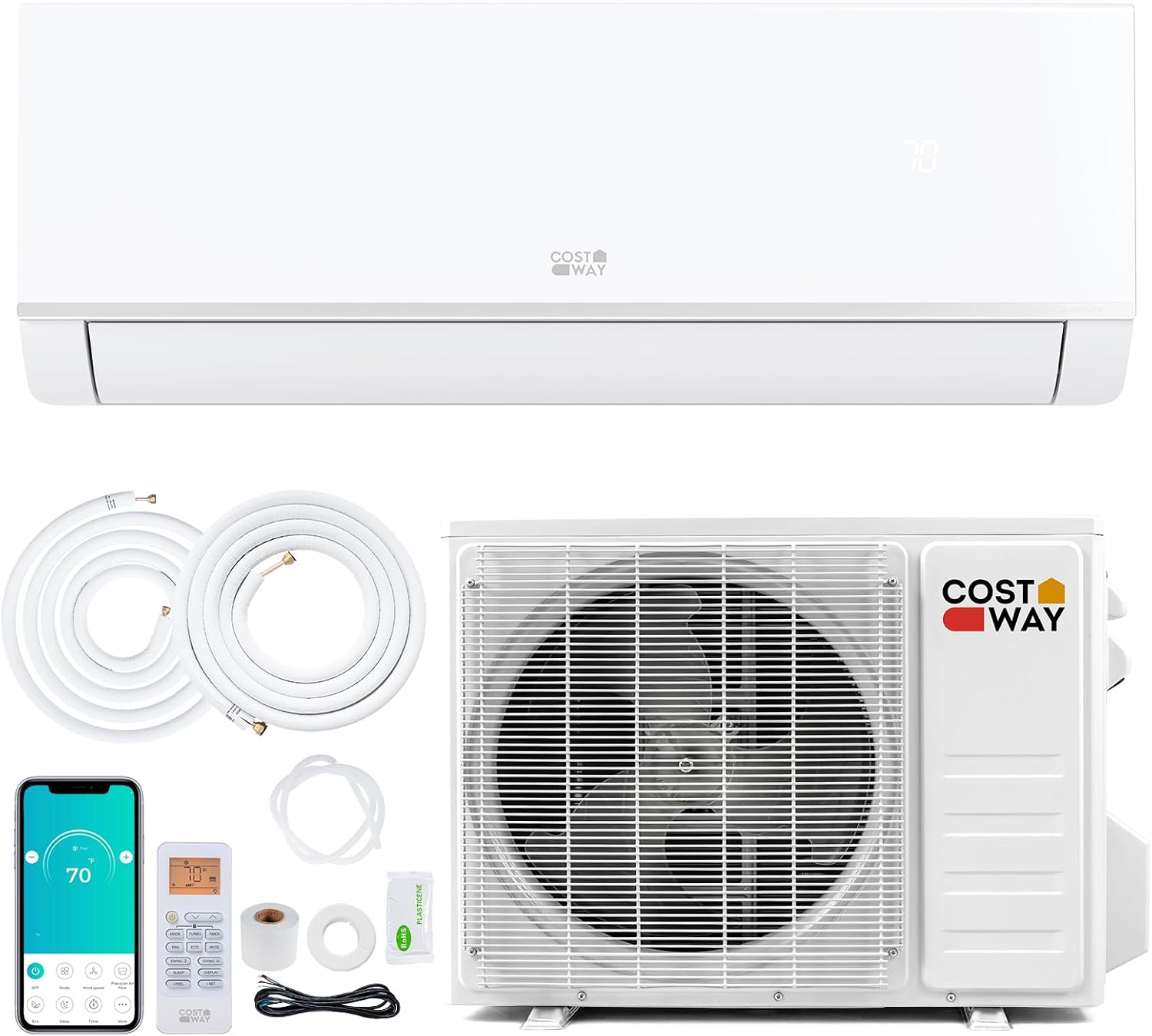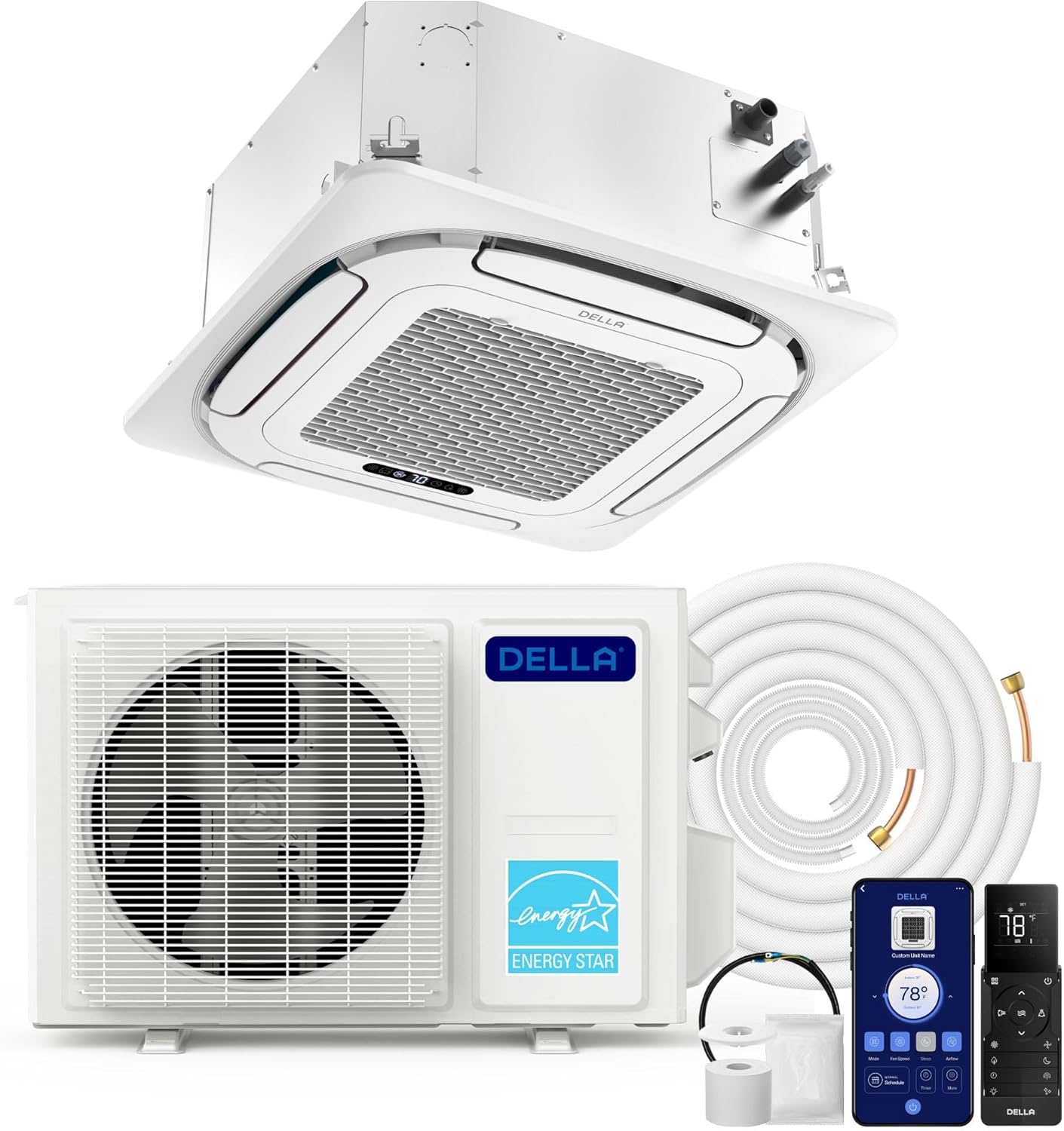

If your garage turns into an oven in summer or an icebox in winter, you know the struggle of trying to work or relax in that space. A standard window unit might not cut it, and portable ACs can be bulky and inefficient. That is where a mini split system shines, offering both cooling and heating without taking up floor space or requiring ductwork. In this guide, we have evaluated three top contenders for the best mini split for garage use, focusing on performance, ease of installation, and year-round comfort. Whether you need to cool a workshop or keep a home gym comfortable, we have options for you. For more options, check out our guide to the best mini split systems for 2026.


Buying Guide: What to Look for in a Garage Mini Split
BTU Rating and Garage Size
The cooling and heating capacity, measured in BTUs, is the most critical factor for a garage. A 12,000 BTU unit typically covers up to 750 square feet, which suits most standard two-car garages. If your garage is larger or has high ceilings, you may need a higher capacity. For smaller spaces, a 9,000 BTU unit might suffice. Always measure your garage square footage before choosing a model.
Energy Efficiency (SEER2 Rating)
A higher SEER2 rating means lower electricity bills and more consistent temperatures. Look for units with SEER2 ratings of 18 or higher for optimal energy savings. Inverter technology also helps by adjusting compressor speed to maintain temperature without frequent on/off cycles. This is especially important in a garage where you might run the unit for extended periods.
Installation and Voltage Requirements
Garage mini splits come in 110/120V and 208-230V options. A 110V unit can often plug into a standard outlet, making DIY installation easier. Higher voltage units may require professional electrical work. Also, consider the line set length included; pre-charged systems with longer line sets offer more flexibility for placement. For more on installation, see our mini split systems overview.
Noise Level and Durability
Garages often double as workshops or relaxation spaces, so quiet operation matters. Look for units with decibel ratings below 30 dB for the indoor unit. Additionally, features like self-cleaning, anti-dust filters, and automatic defrost help the unit withstand garage dust and temperature swings. A durable unit will serve you for years with minimal maintenance.
Final Thoughts
Choosing the best mini split for your garage depends on your specific needs and space. For most standard garages, the Mountman 12000 BTU Mini Split AC/Heating System,19 offers a strong balance of efficiency, quiet operation, and user-friendly features like sleep mode and turbo boost. If you are on a tighter budget but still want reliable performance, the Albott 12,000 BTU Mini Split Air Conditioner is a solid choice with a good SEER2 rating and self-cleaning function. Both models will keep your garage comfortable year-round without breaking the bank.
Frequently Asked Questions
Can I install a mini split in my garage myself?
Yes, many 110V models are designed for DIY installation, especially if you are comfortable with basic electrical and refrigerant line connections. However, for optimal performance and safety, professional installation is recommended, particularly for higher voltage units. Always follow the manufacturer’s guidelines.
What size mini split do I need for a two-car garage?
A 12,000 BTU unit is typically sufficient for a standard two-car garage up to 750 square feet. If your garage has high ceilings or poor insulation, you might need a 15,000 BTU or larger unit. Measure your garage and check the BTU coverage before purchasing.
Are mini splits energy efficient for garage use?
Yes, mini splits with inverter technology and high SEER2 ratings (18 or above) are very energy efficient. They use less electricity than traditional window units or portable ACs, and they provide both heating and cooling, making them a cost-effective solution for year-round garage comfort in 2026.
Do mini splits work in cold weather for garage heating?
Most modern mini splits with heat pumps can operate efficiently in temperatures as low as 5°F. Some models are rated for even colder climates. For garages in very cold regions, look for units with a wide operating temperature range, such as those rated down to -4°F. For more details, read our multi zone mini split review for insights on cold weather performance.