
You’ve just installed a sleek new mini split, but there’s one problem: the drain line can’t run downhill to the outside. Without a gravity drain, every hour of cooling produces water that has nowhere to go. That’s where a mini split condensate pump becomes essential. These compact devices collect condensation and pump it up and away, giving you freedom in placement and preventing water damage.
In this guide, we’ve evaluated the top mini split condensate pumps on the market, focusing on quiet operation, lift capacity, reliability, and ease of installation. Whether you’re finishing a basement, adding AC to a garage, or upgrading a bedroom unit, we’ll help you find the perfect pump for your setup. If you’re still choosing your AC, check out our picks for the best 12000 BTU mini split systems to pair with your new pump.


Buying Guide: What to Look for in a Mini Split Condensate Pump
Lift Height and Flow Rate
The lift height, or max head, tells you how high the pump can push water vertically. For most residential installations, a pump with a 20 to 33 foot lift is sufficient, but if you need to route the drain line through a ceiling or up to a second floor, consider a model with a 65-foot lift. Flow rate, measured in gallons per hour (GPH), indicates how quickly the pump can move water. A higher flow rate ensures the pump keeps up with heavy condensation during humid summer days.
Consider the size of your AC unit when matching flow rate. A 12,000 BTU unit produces more condensate than a 9,000 BTU model, so opt for a pump with at least 10 GPH for larger systems. For more on sizing, see our guide to ductless mini split systems.
Noise Level
Since the pump sits near your indoor unit, its noise level can affect your comfort, especially in bedrooms or home offices. Look for pumps rated at or below 20 dB(A), which is quieter than a whisper. Some models feature soft-start technology to reduce the initial hum when the pump kicks on, while others use vibration-dampening mounts to minimize sound transfer.
For noise-sensitive spaces, an ultra-quiet pump is a worthwhile investment. Pair it with a well-insulated line set cover to keep the entire installation discreet.
Safety Features
An overflow safety switch is a must-have. This normally closed (NC) switch connects to your AC’s control circuit and shuts down the unit if the water level in the pump reservoir rises too high, preventing leaks and water damage. Some pumps also include a built-in fuse for motor protection and an anti-siphon valve to prevent backflow.
Look for pumps with dual protection, such as a probe sensor plus a float switch, for added peace of mind. These features are especially important if the pump is installed in a finished space, like a basement or attic, where a leak could cause significant damage. For more installation tips, check out our article on pre-charged mini split systems.
Installation Flexibility
Consider where you’ll mount the pump. Some models are designed for external wall mounting, while others can be installed under the indoor unit or inside the line set cover. Compact designs with a slim profile are easier to hide. Check the included accessories: many kits come with tubing, mounting screws, and cable ties, but you may need to purchase additional tubing for long runs.
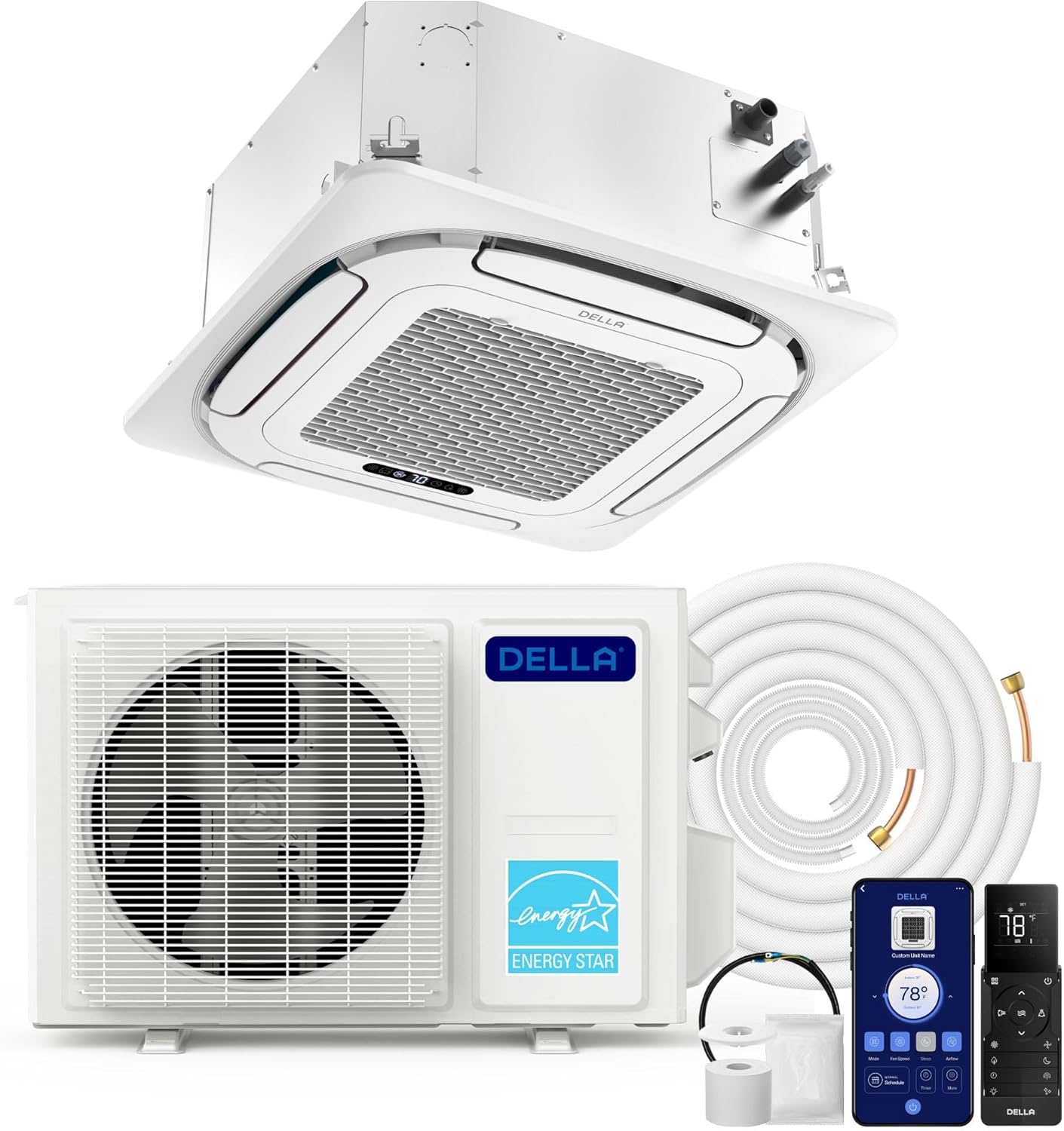
If you’re installing a ceiling cassette system, ensure the pump you choose is compatible with that configuration. Our guide to ceiling cassette mini splits can help you understand the space constraints.
Final Thoughts
Choosing the right mini split condensate pump ensures your AC runs smoothly and your space stays dry. For most homeowners, the Ultra Quiet Mini Split Condensate Pump, 16 dB stands out with its capacitive sensor technology, ultra-quiet operation, and impressive 65-foot lift, making it ideal for noise-sensitive areas and demanding installations. If you’re on a budget but don’t want to compromise on reliability, the Aquastrong Mini Split HVAC Condensate Pump offers a solid balance of performance and value, backed by thousands of positive reviews. Whichever you choose, you’ll enjoy the freedom to place your mini split anywhere without worrying about gravity drainage.
Frequently Asked Questions
How do I know if I need a condensate pump for my mini split?
If your mini split’s indoor unit is located below the drain outlet, or if you can’t run a gravity drain line to the outside, you need a condensate pump. It’s also necessary when the drain line must travel upward, such as when the unit is in a basement or a room without direct exterior access.
Can a condensate pump be installed inside the wall?
Yes, many compact pumps are designed for installation inside a wall cavity or within a line set cover. However, you must ensure easy access for maintenance and cleaning. Some local codes may require an access panel, so check with a professional before hiding the pump completely.
How often should I clean my condensate pump?
It’s recommended to clean the reservoir, float, and filter every three to six months, depending on usage and dust levels. Regular cleaning prevents clogs and ensures the pump operates reliably. Many manufacturers include detailed instructions and maintenance videos.
What is the best location for a condensate pump?
The pump should be installed vertically, near the indoor unit, and at a level lower than the drain pan. Mount it securely to a wall or floor to minimize vibration. Avoid locations where it could be exposed to freezing temperatures or excessive moisture. For more placement ideas, see our guide on best mini split for garage installations.