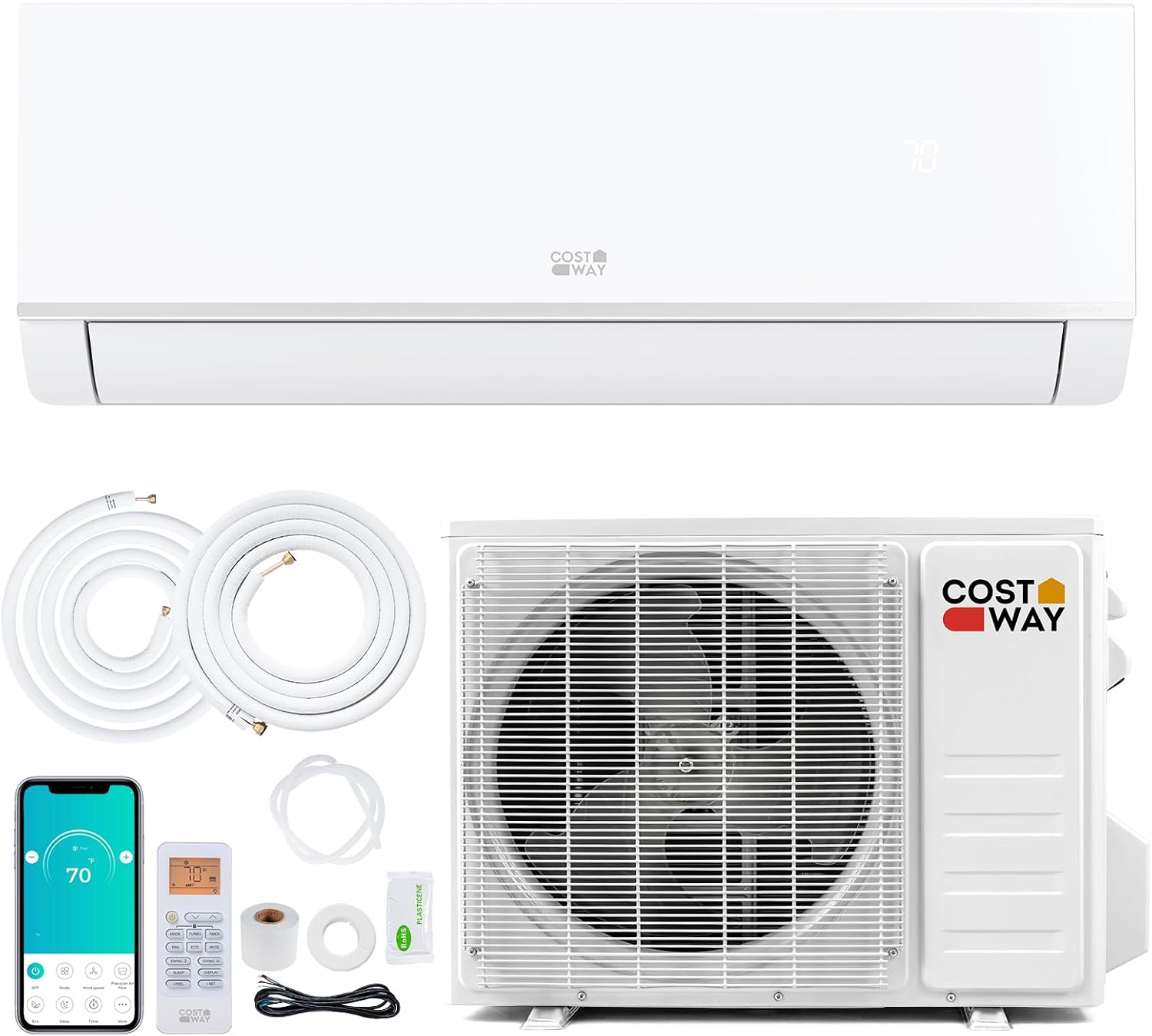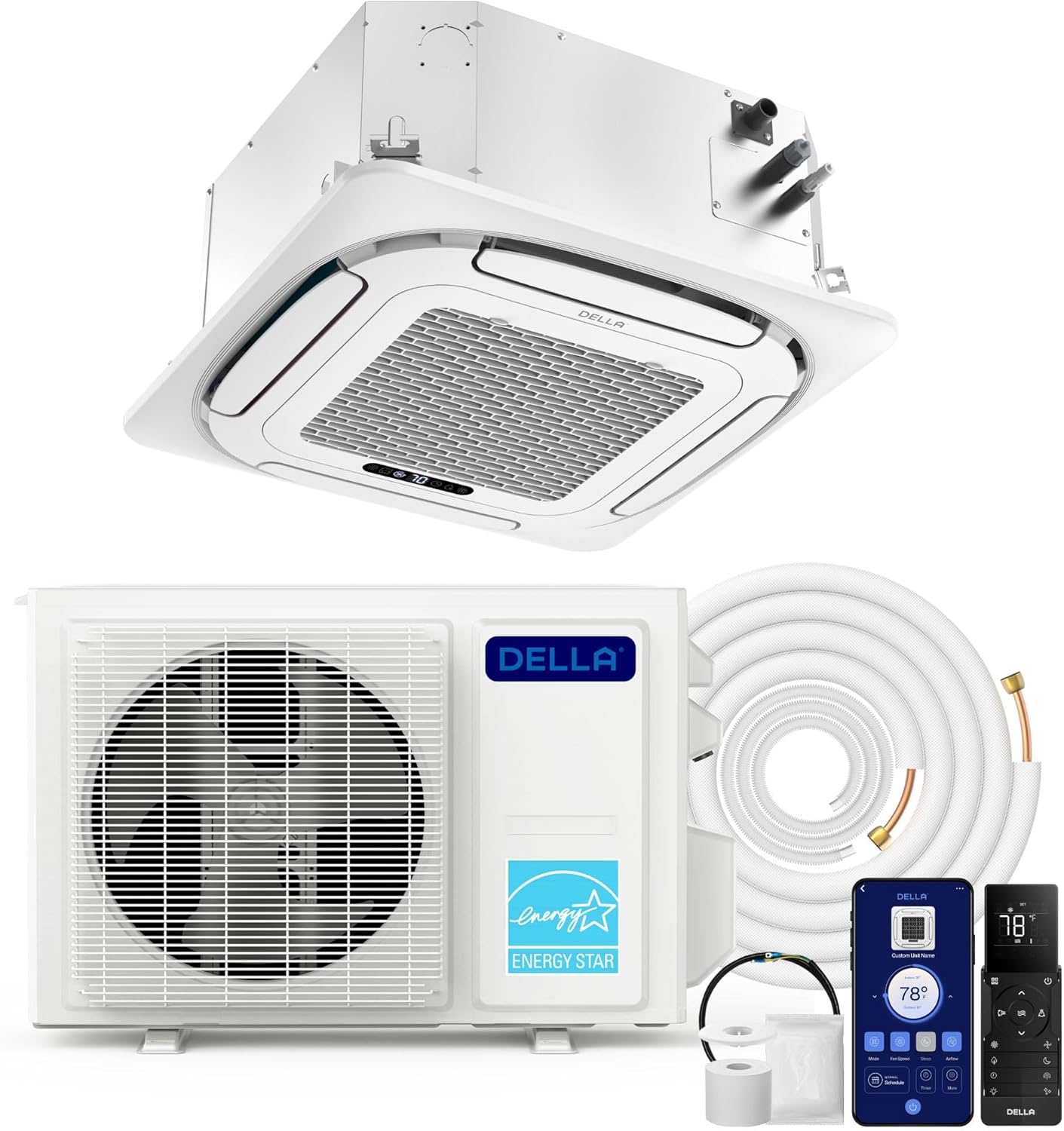

When winter temperatures plunge and your old furnace struggles to keep up, a heat pump mini split designed for cold climates can be a game changer. These ductless systems not only cool your home efficiently in summer but also deliver dependable warmth when the mercury drops well below freezing. In this guide, we’ve evaluated the top cold-climate mini splits on the market, focusing on real-world heating performance, energy efficiency, and smart features to help you find the perfect fit for your space.


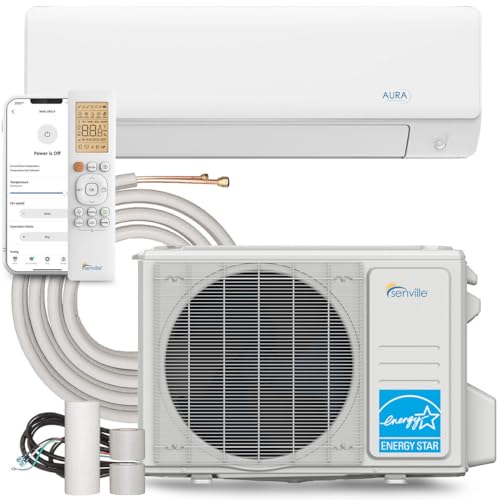


Buying Guide: What to Look for in a Cold Climate Mini Split
Heating Capacity at Low Temperatures
The most critical factor for a cold-climate heat pump is how well it maintains heating output as temperatures drop. Look for models that specify a minimum operating temperature, such as the Senville Elite, which heats down to -22°F, or the Classic America units that operate down to -13°F. These systems use inverter compressors to adjust output continuously, ensuring your home stays comfortable even during extreme cold snaps.
Pay attention to the rated BTU output at low temperatures, not just the maximum BTU. A unit that delivers strong heating at 5°F is more valuable than one that only performs well at milder temps. For more on this, check out our guide to cold climate heat pumps.
Energy Efficiency Ratings (SEER2 and HSPF2)
Efficiency ratings like SEER2 (cooling) and HSPF2 (heating) tell you how much energy the unit uses relative to its output. Higher numbers mean lower operating costs. For cold climates, HSPF2 is especially important because it measures heating efficiency. Look for models with HSPF2 ratings of 8.5 or higher, such as the ClimateChoice Mini Split with a 19 SEER2 and 8.5 HSPF2, or the Classic America 9000 BTU with 23 SEER2 and 9 HSPF2.
ENERGY STAR certification is a good indicator that the unit meets strict efficiency standards. Many of the models we reviewed, including the Senville Elite and Classic America units, are ENERGY STAR certified. For more tips on choosing an efficient ductless system, see our best ductless mini split guide.
Installation and Power Requirements
Mini splits come in 115V and 230V versions. A 115V unit, like the ClimateChoice 12000 BTU, can plug into a standard outlet, making DIY installation easier. However, larger units (24,000 BTU and above) typically require 230V, which may need a dedicated circuit. Consider your existing electrical setup and whether you plan to install the unit yourself or hire a professional.
Also check the included installation kit. Most models come with a line set and cables, but the length varies. For example, the Daikin Entra includes a 15-ft line set, while the Classic America 18000 BTU 2-zone includes a 16-ft kit. If you’re installing over a longer distance, you may need to purchase additional tubing.
Final Thoughts
Choosing the best heat pump mini split for cold climate depends on your specific needs, room size, and budget. For a powerful single-zone solution that excels in sub-zero temperatures, the Classic America 9000 BTU Mini Split Heat Pump & AC is an outstanding choice, offering reliable heating down to -13°F with impressive efficiency. If you need to heat multiple rooms, the Classic America 18000 BTU 2 Zone Mini Split Heat Pump provides flexible zoning with two indoor units, ensuring comfort throughout your home. Both models are ENERGY STAR certified and come with strong warranties, making them smart investments for year-round comfort.
Frequently Asked Questions
How cold can a mini split heat pump work?
Most cold-climate mini splits operate effectively down to -13°F or even -22°F, like the Senville Elite. However, heating capacity decreases as temperatures drop, so it’s important to choose a unit with sufficient BTU output for your climate. Always check the manufacturer’s specifications for minimum operating temperature.
Are mini splits efficient in freezing temperatures?
Yes, modern inverter mini splits are designed to maintain high efficiency even in freezing conditions. Models with high HSPF2 ratings, such as the Classic America 9000 BTU, use advanced compressors to extract heat from the outdoor air, making them much more efficient than electric resistance heaters. For more details, see our best cold climate mini split article.
Can I install a mini split myself in a cold climate?
Many mini splits come with DIY-friendly installation kits, but proper installation is crucial for performance and warranty. If you’re handy, a 115V model like the ClimateChoice 12000 BTU can be a weekend project. However, for 230V units or complex multi-zone systems, professional installation is recommended to ensure safety and efficiency.
What size mini split do I need for a cold climate?
The size depends on the square footage of your space, insulation, and climate. As a rule of thumb, you need about 20 BTU per square foot. For a 400 sq ft room, a 9,000 BTU unit like the Classic America 9000 BTU works well. For larger areas, consider a 12,000 or 18,000 BTU model. Always consult a sizing guide or professional for accurate recommendations.