

Imagine coming home to a perfectly cool living room in July or a cozy bedroom in January, all without scheduling an HVAC technician or paying for expensive ductwork. That is the promise of a DIY mini split heating and cooling system. These ductless units let you take control of your home’s comfort with a weekend project, not a week-long renovation. This guide is for homeowners, renters, and small business owners who want efficient, zone-specific climate control without the professional price tag.
We have evaluated the top DIY mini split kits on the market, focusing on ease of installation, energy efficiency, and real-world performance. Our picks cater to different room sizes and budgets, so you can find the perfect match for your space. For a broader look at options, check our guide to the best DIY mini splits.



Buying Guide: What to Look for in a DIY Mini Split
Choosing the right DIY mini split heating and cooling system means balancing several factors. Here are the key criteria we used to evaluate the products above.
Coverage Area and BTU Rating
The BTU (British Thermal Unit) rating determines how much space the unit can effectively heat or cool. A 12,000 BTU system typically covers up to 750 square feet, while an 18,000 BTU system can handle up to 1,200 square feet. Measure your room or zone carefully to avoid oversizing or undersizing, which wastes energy and reduces comfort.
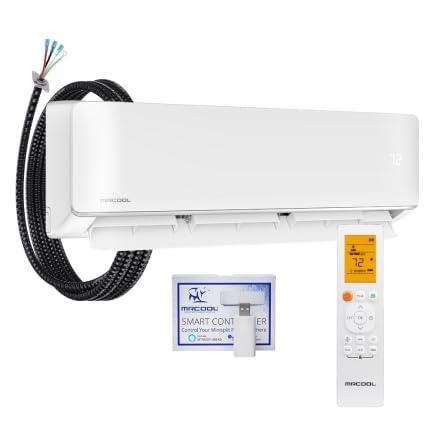
For example, the MrCool DIY Select Mini Split w/Line Set & 1 YR covers 500 to 1,200 square feet, making it versatile for larger open areas. The Albott 12,000 BTU model is perfect for smaller rooms or studio apartments. If you need to condition multiple rooms, a multi-zone system like the MrCool DIY Multi Zone Mini Split is a smarter choice.
Energy Efficiency Ratings
Efficiency is measured by SEER2 (cooling) and HSPF2 (heating). Higher numbers mean lower energy bills and a smaller carbon footprint. Look for at least 18 SEER2 for decent efficiency, but premium models can reach 23.9 SEER2 or higher. The MrCool DIY Multi Zone boasts an impressive 23.9 SEER2 and 10 HSPF2, making it a top pick for eco-conscious buyers.
Inverter compressor technology is another efficiency booster. It adjusts the compressor speed to maintain a steady temperature, avoiding the on/off cycles of traditional units. This not only saves energy but also reduces wear and tear. Our best pre charged mini split systems guide highlights more efficient models.
Installation Ease and Required Tools
The “DIY” in these systems means you should be able to install them without specialized HVAC tools. Look for pre-charged line sets and quick-connect fittings that eliminate the need for vacuuming or refrigerant handling. The Albott model features a pre-connected indoor unit that simplifies wiring, and the MrCool systems come with pre-charged 11.5-foot line sets.
Even with DIY-friendly designs, always check the included instructions and video tutorials. Some units require a standard 115V outlet, while others may need a dedicated circuit. If you are unsure, consult a licensed electrician for the electrical connection. For more installation tips, visit our DIY mini splits overview.
Smart Features and Control Options
Modern mini splits offer WiFi connectivity, allowing you to control the temperature from your smartphone or with voice assistants like Alexa and Google Assistant. This adds convenience and helps you save energy by scheduling heating or cooling around your routine. The MrCool models come with the MrCool Comfort App, while the Albott includes smart app control as well.
Additional features like sleep mode, 24-hour timers, and self-cleaning filters enhance comfort and reduce maintenance. Whisper-quiet operation (under 29dB for the Albott) is a plus for bedrooms and offices. Consider which features matter most to you.
Final Thoughts
After reviewing the top DIY mini split heating and cooling systems, our recommendation comes down to your specific needs. For a budget-friendly, easy-to-install solution for a single room, the Albott 12,000 BTU 115V DIY Mini Split AC & Heating is an excellent choice with its pre-connected indoor unit and quiet operation. If you need to condition multiple zones or larger areas with maximum efficiency, the MrCool DIY Multi Zone Mini Split offers outstanding SEER2 ratings and smart home integration. Both deliver reliable comfort and significant energy savings, making them standout options in 2026.
Frequently Asked Questions
Can I really install a DIY mini split myself?
Yes, that is the whole point of DIY mini split kits. They come with pre-charged line sets and quick-connect fittings, so you do not need specialized tools or HVAC certification. However, you may still need an electrician to connect the unit to your home’s power supply, depending on the model and local codes.
What size mini split do I need for a 500 square foot room?
For a 500 square foot space, a 12,000 BTU unit is usually sufficient. This size can handle up to 750 square feet, so it provides a comfortable buffer. The Albott 12,000 BTU model is a popular choice for this range. For larger areas, consider an 18,000 BTU system.
Do DIY mini splits work in cold climates?
Many modern mini splits are designed for low ambient cooling and heating down to 5°F or even lower. The Albott model operates in temperatures from 5°F to 122°F, making it suitable for most climates. However, for extreme cold, you may need a system with a higher HSPF2 rating or supplemental heating.
How much does it cost to run a DIY mini split?
Operating costs depend on your local electricity rates, the unit’s efficiency, and usage patterns. With SEER2 ratings of 18 or higher, these systems are significantly more efficient than traditional HVAC, often cutting cooling costs by 30% or more. For more details, see our precharged mini splits guide.


