

Imagine coming home to a perfectly cool living room in the middle of July, without the noise and window blockage of a traditional AC unit. Or picture a warm, cozy bedroom in January, all from the same system. That is the promise of a mini split AC and heating system. These ductless wonders offer efficient, zoned comfort, but with so many options on the market, how do you choose the right one? In this guide, we review the best mini split AC systems of 2026, covering everything from energy ratings to smart controls, so you can make an informed decision for your home. Whether you’re cooling a small bedroom or a large open-plan area, we have you covered. For more insights, check out our guide on best 12000 BTU mini split systems.



Buying Guide: What to Look For in a Mini Split AC System
Before you commit to a mini split system, it’s essential to understand the key factors that affect performance, efficiency, and your overall satisfaction. Here are the most critical criteria to evaluate:
Cooling Capacity (BTU) and Room Size
The BTU (British Thermal Unit) rating determines how much space the unit can effectively cool or heat. A system that’s too small will run constantly, while an oversized unit will short-cycle and waste energy. As a rule of thumb, you need about 20 BTUs per square foot of living space. For a 450 sq. ft. room, a 9,000 BTU unit works well, while 12,000 BTU models handle up to 750 sq. ft. If you have a larger area, consider a 24,000 BTU system. For more specific recommendations, see our best mini split for garage guide for larger spaces.
Energy Efficiency (SEER2 Rating)
SEER2 (Seasonal Energy Efficiency Ratio) measures how efficiently a system cools. Higher SEER2 ratings mean lower electricity bills and a smaller carbon footprint. Look for units with at least 17 SEER2, but our top picks offer 19 or even 20 SEER2, which can save up to 30% on energy costs compared to standard models. Inverter technology is key here, as it adjusts compressor speed to maintain temperature without frequent on/off cycling. For a deeper dive, check out our best pre charged mini split systems.
Noise Levels and Quiet Operation
Mini splits are celebrated for their quiet operation, but noise levels vary. The indoor unit’s sound is measured in decibels (dB), with lower numbers being quieter. Look for units with noise levels around 26-30 dB, which is quieter than a whisper. This is especially important for bedrooms, nurseries, or home offices. Features like sleep mode and silent mode further reduce noise and adjust temperatures for restful nights.
Smart Features and Controls
Modern mini splits come with a range of smart features that enhance convenience and comfort. Wi-Fi connectivity allows you to control the unit from your smartphone or via voice assistants like Alexa. Look for features like 24-hour timers, turbo mode, self-cleaning functions, and multiple fan speeds. Some models offer iFEEL or Follow-Me technology, where the remote’s sensor reads the temperature at your location for more accurate comfort. If you’re tech-savvy, these features are worth the investment. For more on brand reliability, visit our best mini split brands article.
Final Thoughts
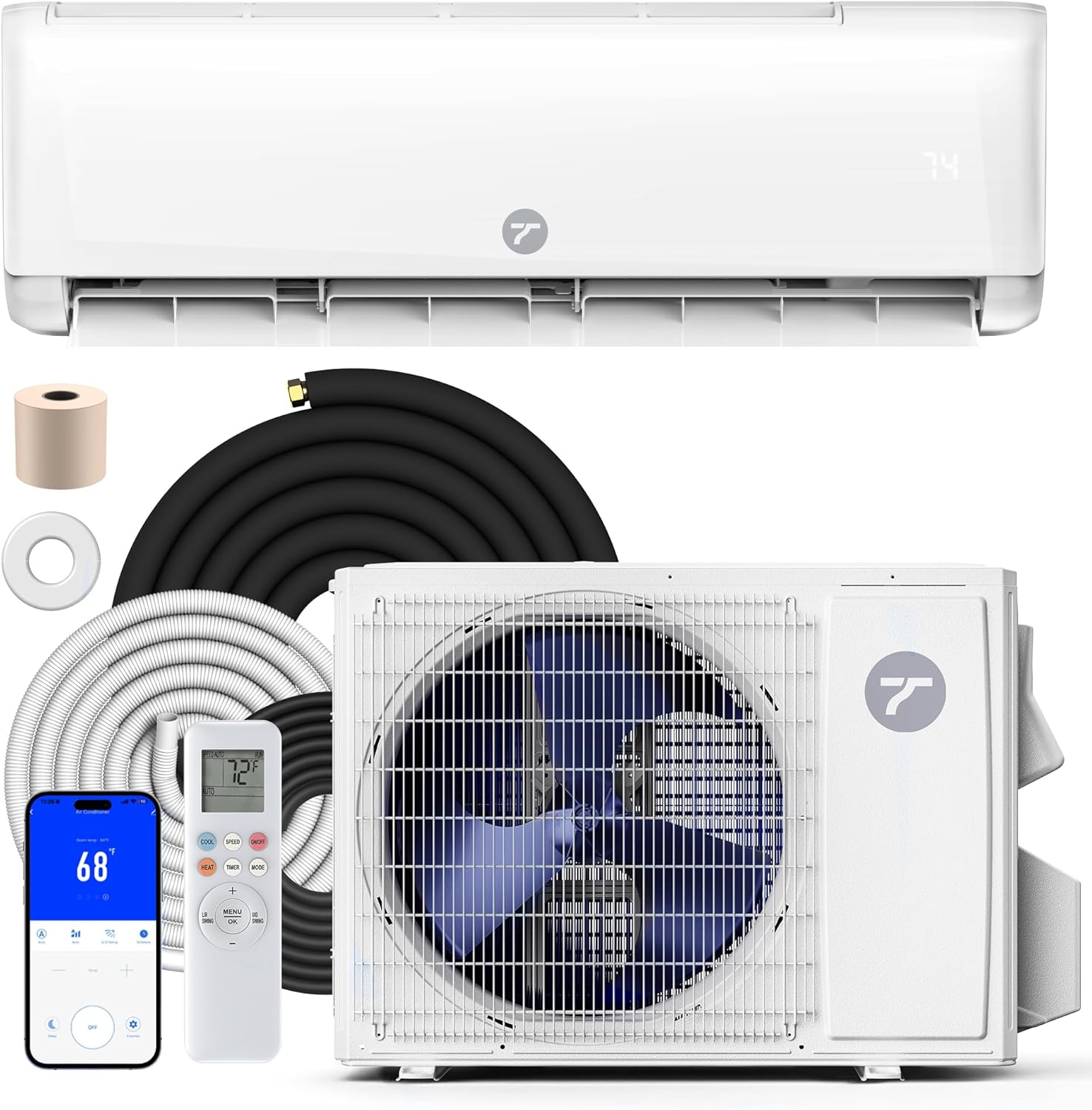
Choosing the right mini split system comes down to your specific space, efficiency needs, and budget. For most rooms up to 750 sq. ft., the 12000BTU Mini Split AC/Heating System from MEPTY offers an excellent balance of performance, energy savings, and smart features. If you need something more powerful for a larger area, the 24000 BTU Mini Split Air Conditioner from Temprium delivers robust heating and cooling with Wi-Fi control and whisper-quiet operation. Both are standout choices in 2026’s lineup, ensuring you stay comfortable all year long.
Frequently Asked Questions
What size mini split do I need for a 20×20 room?
A 20×20 room is 400 square feet, so you would need a 9,000 BTU mini split system. However, if the room has high ceilings or poor insulation, you might want to step up to a 12,000 BTU unit for better efficiency. Always consider your specific conditions.
Can a mini split AC system heat a room in freezing temperatures?
Yes, most mini split heat pumps operate efficiently down to 5°F, and some models can handle -13°F. Look for systems with auto-defrost and inverter technology to ensure consistent heating even in harsh winters. Our top picks are designed for year-round comfort.
Do I need a professional to install a mini split AC?
While some handy homeowners attempt DIY installation, we strongly recommend hiring a licensed HVAC technician. Proper installation requires vacuuming the lines, checking refrigerant levels, and ensuring electrical connections are safe. Many systems ship in two boxes and require hardwiring, so professional help ensures optimal performance and warranty validity. For more tips, see our best mini split condensate pump guide.
How much does it cost to run a mini split AC system?
Running costs vary based on your electricity rates, the unit’s SEER2 rating, and usage patterns. A high-efficiency 19 SEER2 system can save up to 30% on cooling costs compared to older units. Using eco mode and scheduling timers can further reduce your bills. It’s an investment that pays off over time.


