

Imagine coming home to a perfectly cool living room on a scorching summer day, or a cozy bedroom on a freezing winter night, without relying on noisy window units or expensive central HVAC. That’s the promise of a ductless mini split system. Whether you’re upgrading a garage, adding comfort to a home office, or seeking whole-home climate control, choosing the right unit can feel overwhelming. This guide breaks down the best mini split units of 2026, covering key features, performance, and value to help you make an informed decision. For a broader look, check out our best mini split AC systems roundup.


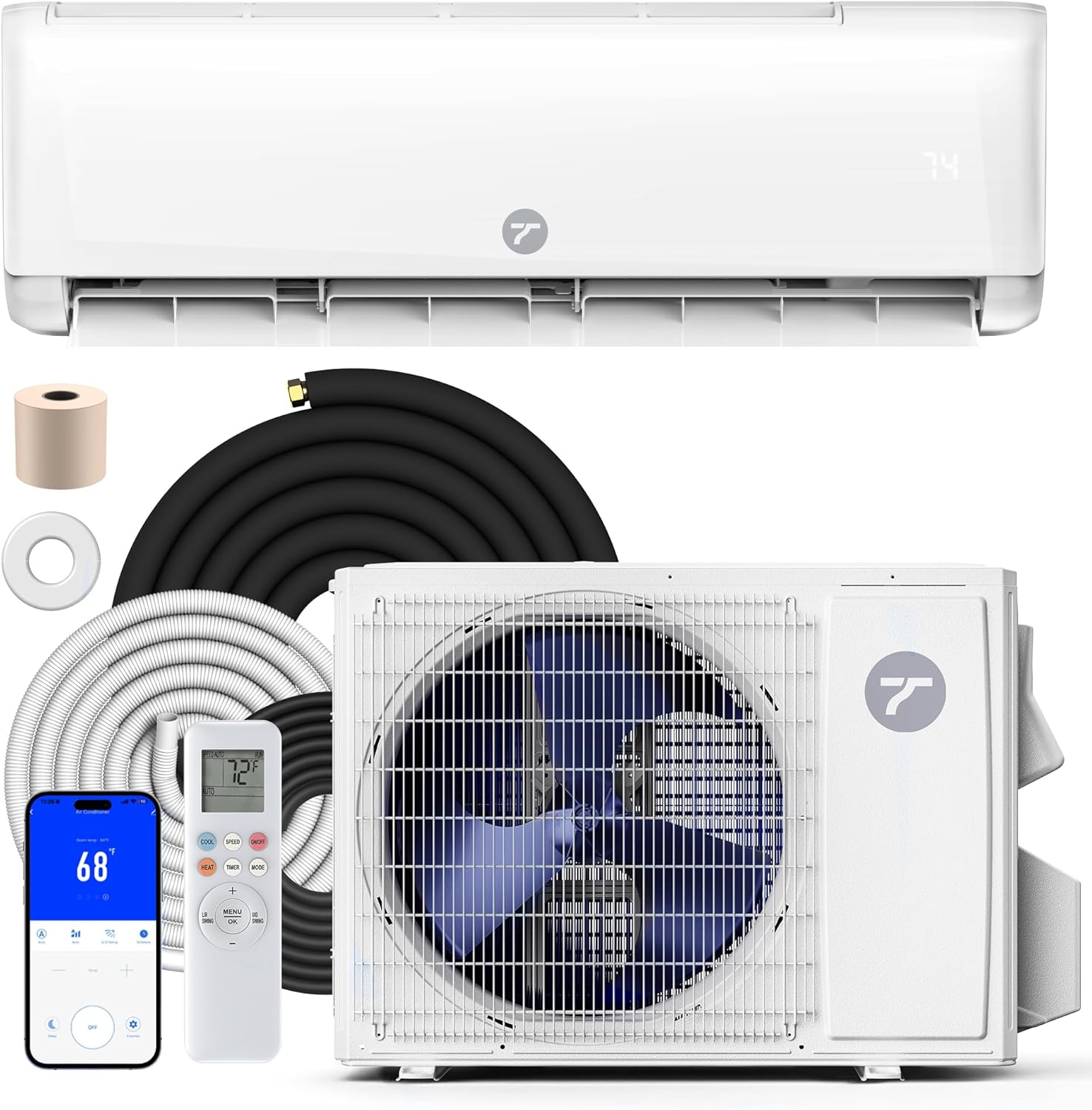


Buying Guide: What to Look for in a Mini Split Unit
Cooling and Heating Capacity (BTU)
The BTU rating determines how much space the unit can effectively cool or heat. For rooms up to 450 sq. ft., a 9,000 BTU model like the Mountman 9000 BTU Mini Split AC/Heating System works well. For larger areas up to 750 sq. ft., a 12,000 BTU unit is a popular choice, and for expansive spaces up to 1,250 sq. ft., consider an 18,000 BTU system.
Matching the BTU to your room size is crucial for efficiency. An undersized unit will run constantly, while an oversized one may short-cycle and fail to dehumidify properly. Our best 12000 BTU mini split guide offers more detail on that sweet spot.
Energy Efficiency (SEER2 Rating)
SEER2 (Seasonal Energy Efficiency Ratio) measures how efficiently a unit cools. A higher SEER2 means lower energy bills and a smaller carbon footprint. Most modern mini splits offer ratings between 18 and 19 SEER2, which is excellent for reducing long-term costs. Look for inverter technology, which adjusts compressor speed to maintain temperature without constant on/off cycling, saving up to 30% energy.
For example, the Rellytech Mini Split AC/Heating System, 12000 BTU boasts a 19 SEER2 rating, making it a top performer in efficiency. If you’re installing in a garage or workshop, check our best mini split for garage recommendations for models that handle temperature extremes well.
Installation Requirements
Mini splits require professional installation, which involves mounting the indoor unit, connecting the line set, and placing the outdoor condenser. Some units come pre-charged with refrigerant, simplifying the process. Always hire a licensed HVAC technician to ensure proper setup and warranty validity.
If you’re considering a DIY approach, many pre-charged systems are available, but professional installation is still recommended for optimal performance. For more on this, see our best pre charged mini split guide.
Noise Levels and Smart Features
Noise is a critical factor, especially for bedrooms. Look for units with low decibel ratings (around 26-30 dB) for whisper-quiet operation. Features like sleep mode, 24-hour timers, and remote controls enhance convenience. Some models offer WiFi connectivity for smartphone control, which is a game-changer for adjusting settings remotely.
For instance, the Temprium 24000 BTU Mini Split Air Conditioner includes WiFi and voice control compatibility, making it a smart choice for tech-savvy homeowners. When comparing brands, consider our best mini split brands for reliability and support.
Final Thoughts
Choosing the right mini split unit depends on your space, efficiency needs, and budget. For most homes, the Rellytech Mini Split AC/Heating System, 12000 BTU offers a fantastic balance of performance, efficiency, and quiet operation, making it our top pick for medium-sized rooms. If you need more power for larger areas, the 24000 BTU Mini Split Air Conditioner from Temprium provides excellent coverage and smart features. Both are reliable choices that will keep you comfortable year-round.
Frequently Asked Questions
How many BTUs do I need for my room?
As a general rule, you need about 20 BTUs per square foot of living space. For a 400 sq. ft. room, a 9,000 BTU unit is adequate, while a 750 sq. ft. space requires a 12,000 BTU unit. Always consider ceiling height, sunlight, and insulation when calculating.
Can a mini split heat and cool?
Yes, most mini splits are heat pumps, meaning they provide both cooling and heating. They are highly efficient in moderate climates and can operate in temperatures as low as 5°F, as seen with the Albott 12,000 BTU model.
Do mini splits require a lot of maintenance?
Mini splits are relatively low-maintenance. You should clean or replace the air filter every month, and schedule a professional tune-up annually. Many models feature self-cleaning functions that reduce mold and dust buildup, making upkeep even easier.
Are mini splits energy efficient?
Absolutely. With SEER2 ratings of 18 or higher, mini splits are among the most efficient cooling systems available. Inverter technology ensures they use only the energy needed to maintain your desired temperature, which can significantly lower utility bills compared to traditional HVAC.


