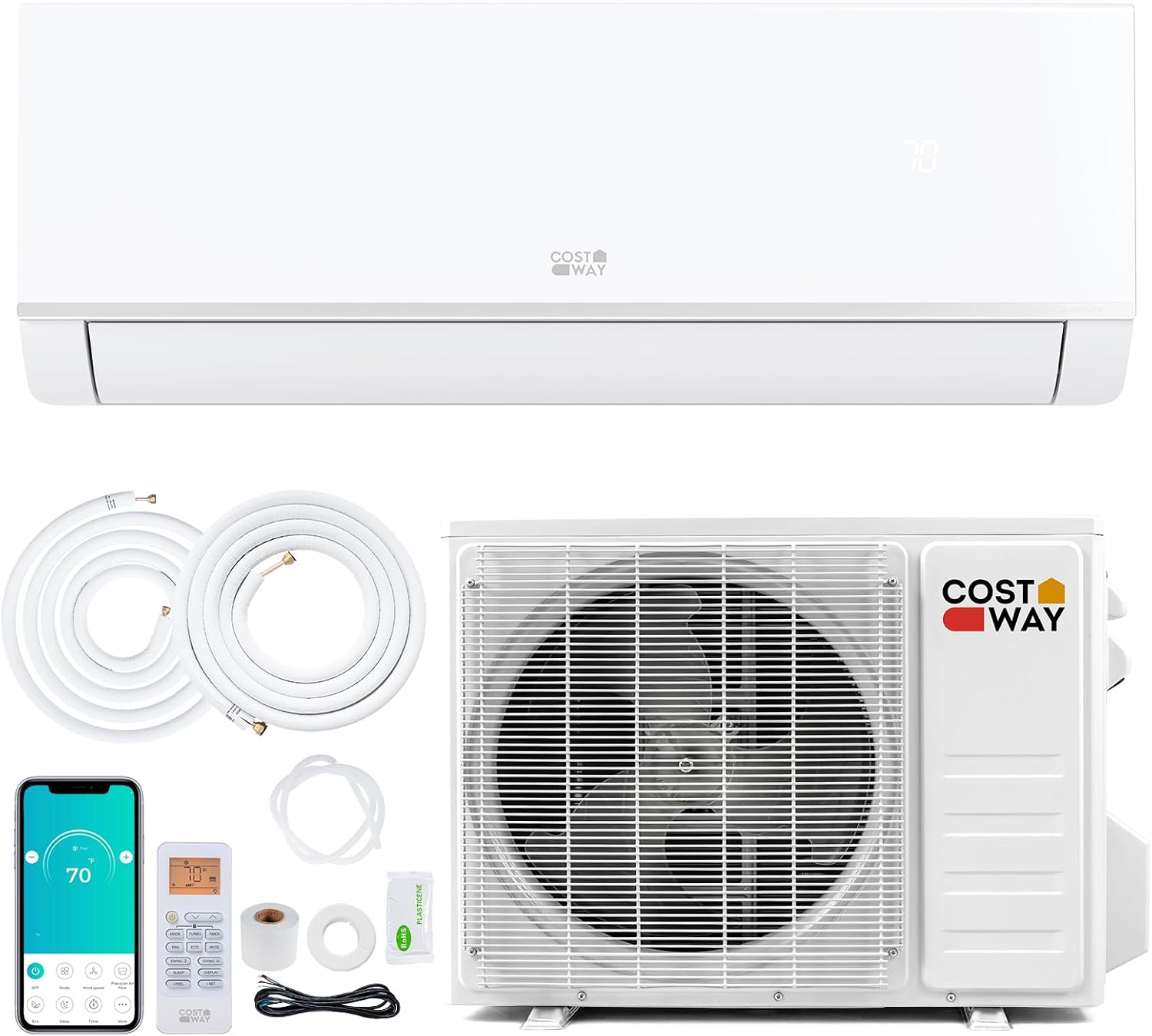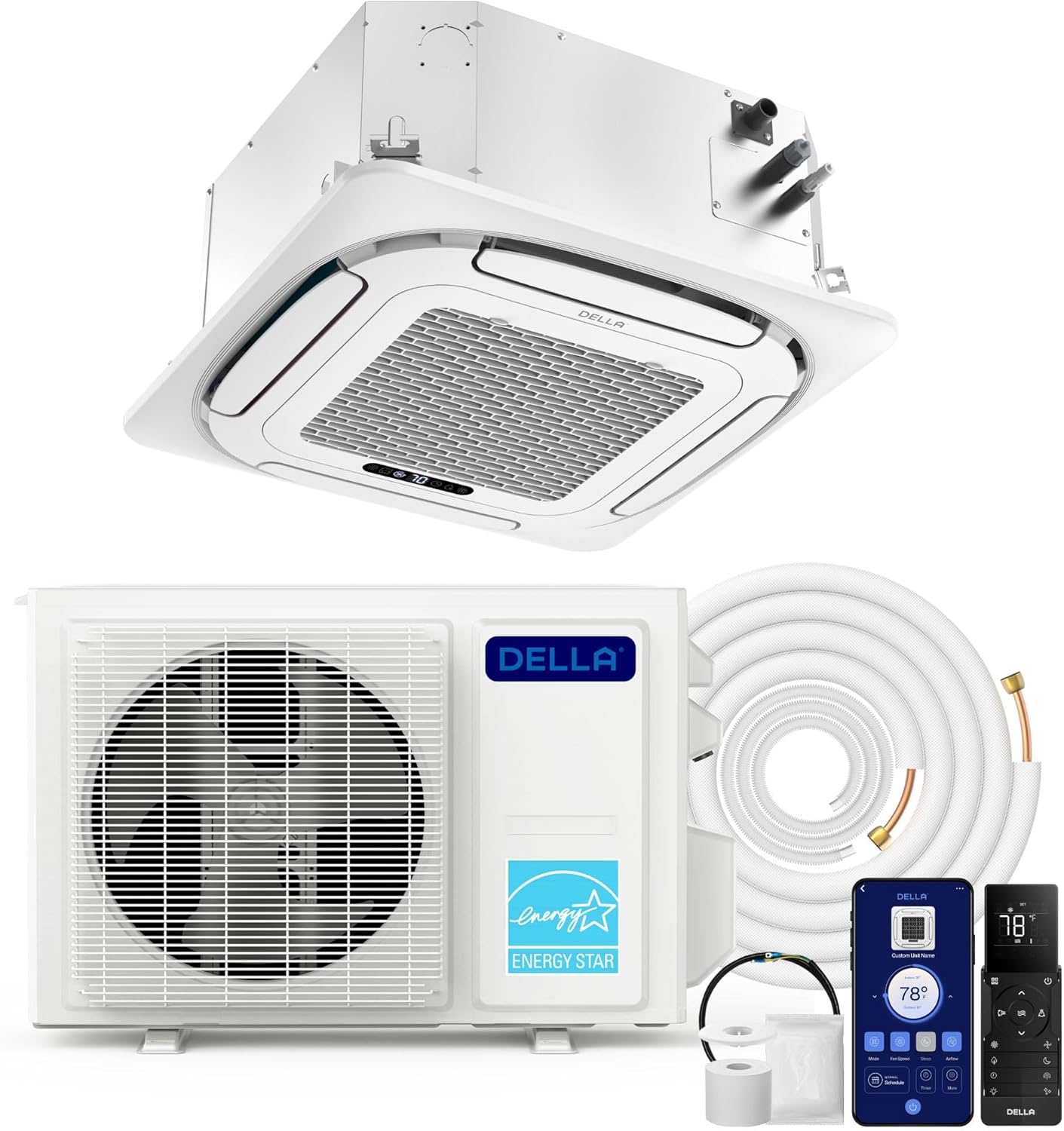

Imagine transforming your garage, home office, or bonus room into a perfectly comfortable space without the hassle of a full HVAC overhaul. That’s the promise of DIY mini split systems. These ductless heat pumps come with pre-charged line sets and simplified connections, letting you skip the costly professional installation and tackle the project yourself over a weekend. In this guide, we’ve evaluated the top contenders for 2026 to help you find the best DIY mini split systems for your needs, whether you’re cooling a small workshop or a large open-plan living area.
We focus on systems that balance ease of installation, energy efficiency, and reliable performance. From budget-friendly options to feature-rich models with smart controls, our list covers a range of sizes and capabilities. If you’re new to the concept, check out our overview of DIY mini split kits to understand the basics before diving into our top picks.


Buying Guide: What to Look for in a DIY Mini Split
Cooling and Heating Capacity (BTU)
The BTU rating determines how large a space the system can effectively heat or cool. For a small bedroom or office, a 12,000 BTU unit is often sufficient, covering up to 750 square feet. Larger areas, such as open living spaces or garages, may require an 18,000 BTU model to handle up to 1,250 square feet. Over-sizing can lead to short cycling, while under-sizing will struggle to maintain comfort. Consider your room’s size, ceiling height, and insulation when choosing.
For a deeper dive into sizing, our guide on DIY mini split heating and cooling systems offers more details on matching BTU to your space.
Energy Efficiency (SEER2 and HSPF2)
Higher SEER2 and HSPF2 ratings mean lower energy bills and more eco-friendly operation. Look for systems with ratings above 17 SEER2 for cooling and 8.5 HSPF2 for heating. Inverter technology is key, as it adjusts compressor speed to maintain consistent temperatures without frequent on/off cycles, saving energy and reducing wear. Some models also feature ECO modes that optimize energy use further.
If energy savings are your priority, explore our best pre charged mini split systems for highly efficient options.
Installation Complexity: Pre-Charged vs. Professional
True DIY systems come with pre-charged line sets and quick-connect fittings, eliminating the need for vacuum pumps and refrigerant handling. Some models, like MRCOOL’s DIY Select, are designed for a no-vacuum install, making them ideal for beginners. Others, while still DIY-friendly, may require hardwiring and a licensed technician for electrical connections. Always check the installation requirements before purchasing, and consider your comfort level with electrical work.
For a closer look at systems that simplify installation, see our best DIY mini split roundup, which highlights user-friendly models.
Noise Levels and Smart Features
Noise is a critical factor, especially for bedrooms or home offices. Look for units with noise levels as low as 18.5 dB(A) in silent mode, which is quieter than a whisper. Smart features like Wi-Fi control, scheduling, and voice assistant compatibility add convenience, allowing you to adjust settings from your phone. Some models also include self-cleaning functions and 4D air swing for even distribution.
If you plan to install in a bedroom, prioritize quiet operation and consider models with dedicated sleep modes. For more insights, browse our precharged mini splits category for options that balance performance and comfort.
Final Thoughts
Choosing the right DIY mini split comes down to your space, budget, and installation preferences. For a true no-vacuum, user-friendly experience with excellent efficiency, the MRCOOL DIY Select 18000 BTU Mini Split AC/Heating stands out as a top pick for larger areas. If you’re looking for a budget-friendly option that still delivers solid performance and energy savings, the Rellytech Mini Split AC/Heating System, 12000 BTU is an excellent choice for smaller spaces. Both offer the convenience of DIY installation, so you can enjoy year-round comfort without the added cost of professional setup.
Frequently Asked Questions
Can I really install a DIY mini split myself?
Yes, many DIY mini split systems are designed for homeowner installation. They come with pre-charged line sets and quick-connect fittings, eliminating the need for specialized tools or refrigerant handling. However, electrical connections often require a permit and may need a licensed electrician, depending on local codes.
What size mini split do I need for a 2-car garage?
For a typical 2-car garage (about 400-500 square feet), a 12,000 BTU unit is usually sufficient. If your garage has high ceilings or poor insulation, you might need an 18,000 BTU model. Always measure your space and consider factors like ceiling height and sun exposure when choosing.
Do DIY mini splits require a vacuum pump?
No, most DIY mini split systems are pre-charged with refrigerant and come with quick-connect line sets, so you don’t need a vacuum pump. This is a major advantage over traditional mini splits, which require professional evacuation of the lines before startup.
Are DIY mini splits as efficient as professionally installed units?
Yes, many DIY models offer high SEER2 ratings (17+), comparable to professional units. Inverter technology and advanced features like ECO modes help maximize efficiency. However, proper installation is key to achieving rated performance, so follow the manufacturer’s instructions carefully.