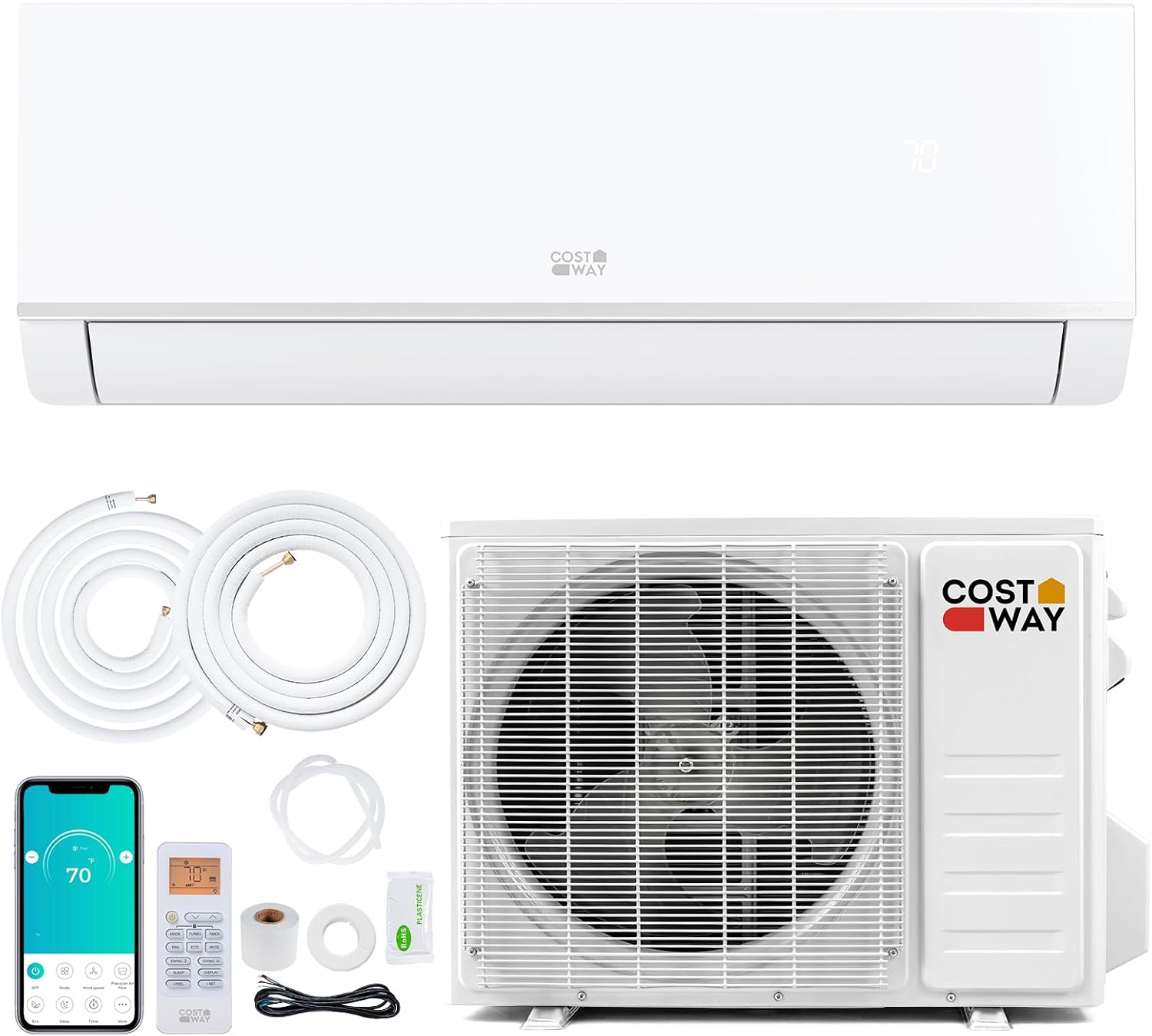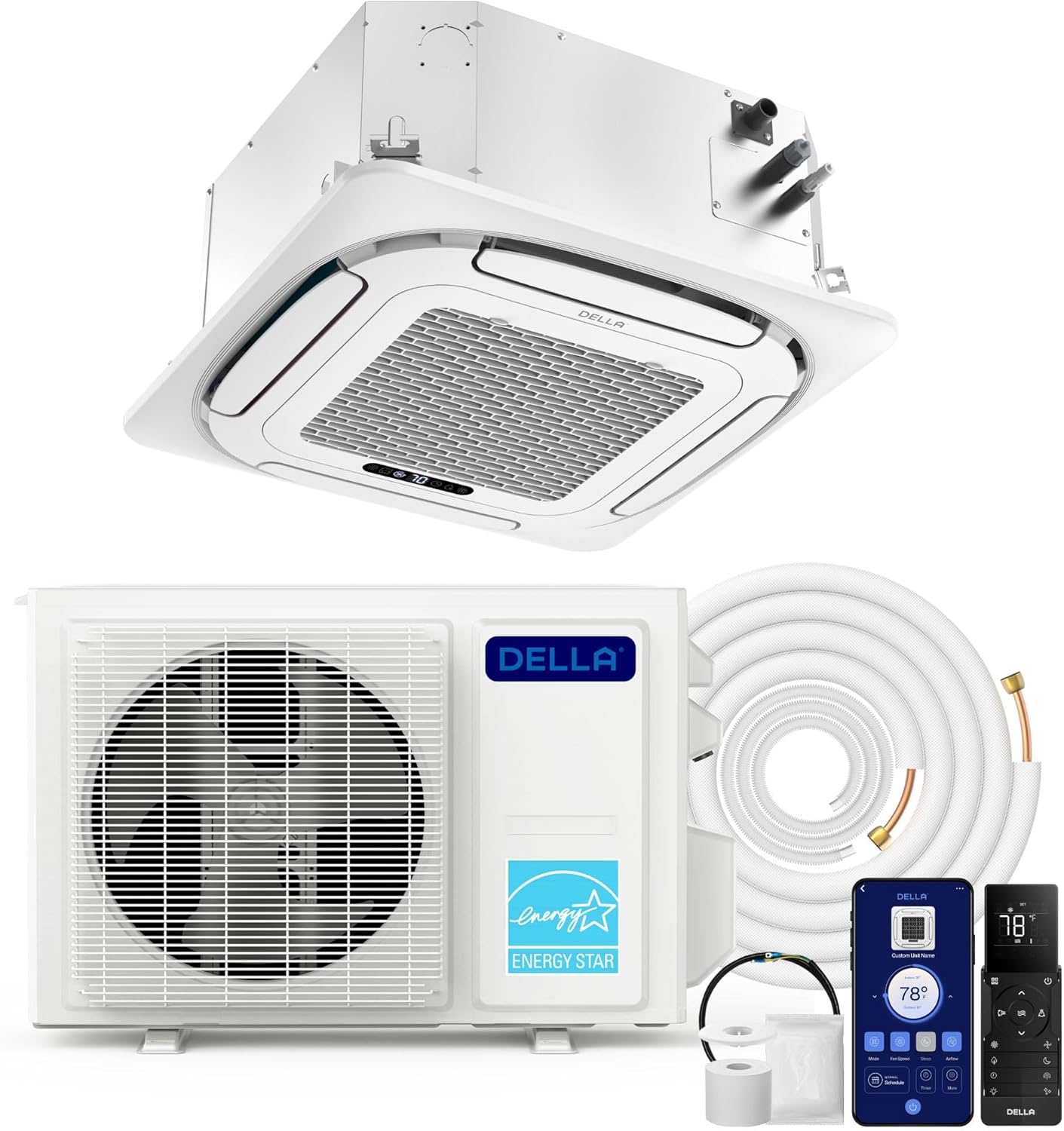

Imagine transforming your garage into a workshop or finally cooling that sun-baked bonus room without paying a fortune for an HVAC contractor. That’s the promise of a DIY mini split AC, and in 2026, these systems have become smarter, more efficient, and easier to install than ever. Whether you’re a seasoned DIYer or a first-timer, this guide will walk you through the best DIY mini split AC kits on the market, helping you choose the perfect fit for your space and skill level.
We’ve evaluated dozens of models to bring you a curated list of top performers. From budget-friendly options to premium units with advanced features, we’ll break down what each has to offer. If you’re just starting your research, check out our comprehensive guide to the best DIY mini split systems for more context. Our goal is to give you all the information you need to make a confident, informed purchase.


Buying Guide: What to Look For in a DIY Mini Split AC
Choosing the right DIY mini split system involves more than just picking the cheapest or most powerful option. You need to consider your room size, electrical requirements, and the features that matter most for your comfort and convenience. Here are the key factors we recommend evaluating before you make a purchase.
Cooling Capacity and Room Size
The BTU rating of a mini split determines how large a space it can effectively heat and cool. A unit with too few BTUs will struggle to maintain your desired temperature, while an oversized unit will cycle on and off too frequently, wasting energy. As a general rule, you need about 20 BTUs per square foot of living space.
For example, a 12,000 BTU unit like the Rellytech Mini Split AC/Heating System, 12000 BTU is ideal for rooms up to 750 square feet, making it perfect for a master bedroom or a small apartment. If you have a larger open-plan area or a workshop, consider a higher-capacity system like the MRCOOL DIY Select 18000 BTU Mini Split AC/Heating, which can handle up to 800 square feet. Always measure your space accurately to ensure you pick the right size.
Voltage and Electrical Requirements
DIY mini splits come in two main voltage options: 115V and 230V. 115V units plug into a standard household outlet, making them incredibly convenient for most homes. They’re perfect for smaller rooms and simpler installations. On the other hand, 230V systems are more powerful and efficient, but they require a dedicated circuit, which might need a professional electrician to install.
Before you buy, check your electrical panel and available circuits. The Albott 12,000 BTU 115V model is a great choice if you want to avoid any electrical work, while the MRCOOL 18,000 BTU unit offers higher capacity for larger spaces, but ensure you have the proper outlet. For more insights on pre-charged options, see our guide to pre-charged mini splits.
Energy Efficiency and SEER2 Ratings
Energy efficiency is a major selling point for mini splits, and the SEER2 rating is the standard measure. A higher SEER2 means lower running costs and less environmental impact. Look for units with a SEER2 of 18 or higher for optimal savings. For instance, the Albott 12,000 BTU Mini Split Air Conditioner boasts an 18 SEER2 rating, which can significantly reduce your monthly energy bills.
Inverter technology is also key. Unlike traditional units that turn on and off, inverter compressors adjust their speed to maintain a consistent temperature, using less energy and reducing wear and tear. All the products we’ve selected feature this modern technology, but you’ll see varying efficiency levels, so compare the SEER2 numbers to find the most cost-effective option for your climate.
Installation Difficulty and DIY-Friendliness
The whole point of a DIY mini split is to avoid hiring a professional, but not all systems are equally easy to install. Look for features like pre-charged line sets, quick-connect fittings, and pre-wired indoor units. These drastically reduce the complexity and time required. The Albott Easy DIY Series, for example, comes with a pre-wired indoor unit and requires no vacuuming, making it a true plug-and-play solution.
However, even with a DIY-friendly design, you’ll need some basic tools and comfort with electrical connections. If you’re not confident, consider the MRCOOL DIY Select, which includes a pre-charged Quick Connect line set that eliminates the need for a vacuum pump or refrigerant handling. For a deeper dive into installation, our article on DIY mini split heating and cooling offers practical tips.
Final Thoughts
Choosing the right DIY mini split AC comes down to balancing your space, budget, and technical comfort. For most homeowners, the Rellytech Mini Split AC/Heating System, 12000 BTU offers an unbeatable combination of affordability, efficiency, and quiet operation, making it a fantastic entry point into DIY climate control. If you have a larger area or want the pinnacle of convenience and smart features, the MRCOOL DIY Select 18000 BTU Mini Split AC/Heating is our top recommendation, delivering powerful performance with a truly no-vacuum install. Whichever you choose, you’ll enjoy the satisfaction of a project done yourself and the comfort of a perfectly conditioned room.
Frequently Asked Questions
Can I really install a DIY mini split AC myself?
Yes, many modern DIY mini splits are designed for homeowners with basic handyman skills. They come with pre-charged line sets and quick-connect fittings that eliminate the need for specialized HVAC tools. However, you’ll still need to mount the indoor and outdoor units, run the line set, and make electrical connections, so follow the manufacturer’s instructions carefully.
How much does it cost to run a DIY mini split AC?
Running costs depend on the unit’s efficiency, your local electricity rates, and how often you use it. A high-SEER2 mini split, like the ones we’ve reviewed, can be significantly cheaper to operate than a window unit or central AC. Inverter technology further reduces energy consumption by adjusting power output to match the cooling demand.
What size DIY mini split do I need for a 2-car garage?
A typical 2-car garage is around 400-500 square feet. A 12,000 BTU unit, such as the Albott 12,000 BTU 115V DIY Mini Split, is usually sufficient for this space, provided it’s well-insulated. If your garage has high ceilings or poor insulation, you might need a higher capacity unit like the 18,000 BTU MRCOOL model.
Do DIY mini splits provide both cooling and heating?
Absolutely. Most DIY mini splits are heat pumps, meaning they can both cool and heat your space. They’re highly efficient in moderate climates and can work down to freezing temperatures. For year-round comfort, this makes them a versatile alternative to separate AC and furnace systems. Explore more in our guide to DIY mini splits for 2026.